


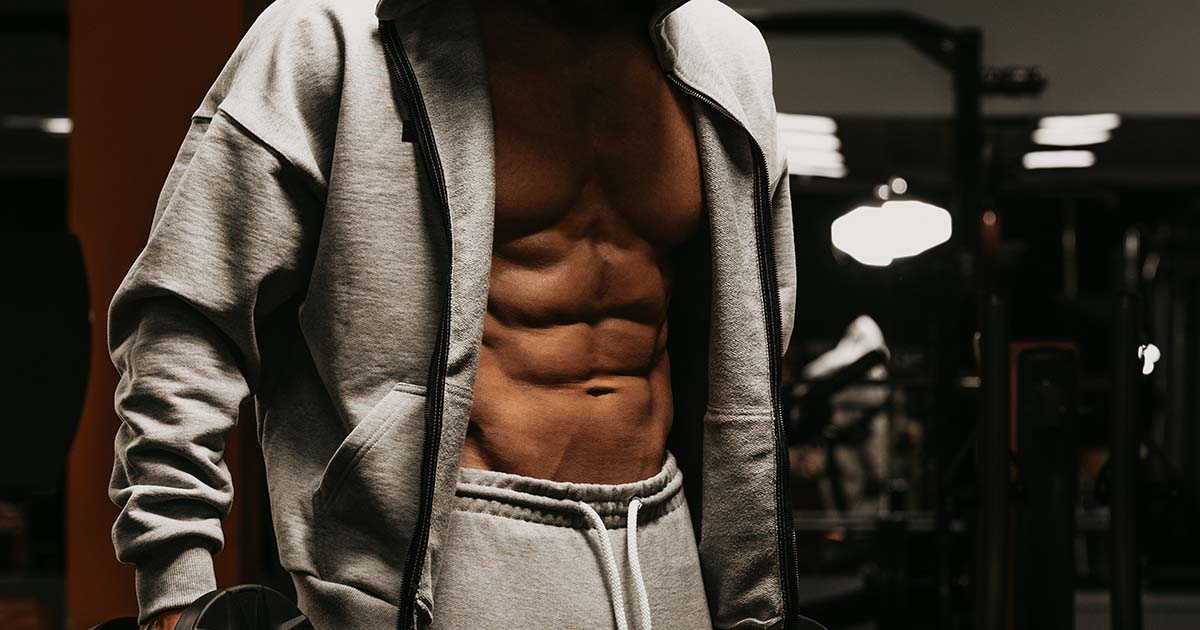
The abdominal muscles and the lower back muscles work together as a single support system for the spine, allowing the body to bend, rotate, lift, and stay upright without strain, and when these muscles are trained consistently, they reduce the load placed on the spine during daily movements such as walking, sitting, and carrying objects, this article presents twelve exercises that build strength in the abdominal wall and the lower back, along with guidance on how to perform each movement correctly and how to organize them into a weekly routine.
The Muscles Involved in Core Strength
The core is made up of several muscle groups, including the rectus abdominis which runs along the front of the abdomen and is responsible for spinal flexion, the internal and external obliques which sit along the sides of the torso and control rotation and side bending, the transverse abdominis which wraps around the torso like a belt and stabilizes the spine during movement, and the erector spinae along with the multifidus which run along the length of the spine and support extension and posture, training all of these groups together, rather than isolating the abdominal muscles alone, creates balanced support for the lower back and lowers the risk of strain.
Twelve Exercises for Abdominal and Lower Back Strength
1 Plank The plank is a static hold performed on the forearms and toes, keeping the body in a straight line from head to heel. Muscles Targeted, this exercise engages the rectus abdominis, the transverse abdominis, the obliques, and the erector spinae, all working together to keep the spine neutral. Execution, the person should keep the hips level, avoid sagging the lower back, and press the forearms into the ground while breathing steadily. Sets and Reps, three to four holds of thirty to sixty seconds, with a short rest between each, build sufficient endurance.
2 Side Plank The side plank is held on one forearm and the side of one foot, with the hips lifted and the body forming a straight line. Muscles Targeted, the obliques, the quadratus lumborum, and the gluteus medius are the primary muscles engaged during this hold. Execution, the hips should stay lifted and square, the supporting shoulder should stay stacked over the elbow, and the head should stay aligned with the spine. Sets and Reps, two to three holds of twenty to forty seconds on each side allow balanced development.
3 Bird Dog The bird dog is performed on the hands and knees, extending one arm and the opposite leg at the same time. Muscles Targeted, the erector spinae, the multifidus, the rectus abdominis, and the glutes are all activated to maintain balance. Execution, the hips and shoulders should stay level throughout the movement, and the extended limbs should reach without twisting the torso. Sets and Reps, two to three sets of eight to twelve repetitions on each side build stability and coordination.
4 Superman The superman is performed lying face down, lifting the arms and legs off the floor at the same time. Muscles Targeted, the erector spinae, the glutes, and the upper back muscles are the primary muscles engaged. Execution, the lift should come from the lower back and glutes rather than from momentum, and the neck should stay in a neutral position. Sets and Reps, two to three sets of ten to fifteen repetitions, held briefly at the top, are sufficient for this exercise.
5 Dead Bug The dead bug is performed lying on the back, extending one arm and the opposite leg while keeping the lower back pressed into the floor. Muscles Targeted, the transverse abdominis and the rectus abdominis are engaged to control the movement of the limbs. Execution, the lower back should remain in contact with the floor throughout, and the limbs should move slowly and with control. Sets and Reps, two to three sets of ten repetitions on each side develop control of the deep abdominal muscles.
6 Bicycle Crunch The bicycle crunch is performed lying on the back, alternating one elbow toward the opposite knee while extending the other leg. Muscles Targeted, the rectus abdominis and the obliques are the primary muscles engaged during the rotation. Execution, the movement should come from the torso rather than from pulling on the neck, and the motion should stay slow and controlled. Sets and Reps, two to three sets of twelve to sixteen repetitions on each side are appropriate for most people.
7 Reverse Crunch The reverse crunch is performed lying on the back, lifting the hips off the floor using the lower abdominal muscles. Muscles Targeted, the lower portion of the rectus abdominis and the transverse abdominis are the primary muscles engaged. Execution, the legs should lift using the abdominal muscles rather than swinging with momentum, and the lower back should stay pressed into the floor. Sets and Reps, two to three sets of twelve to fifteen repetitions build strength in the lower abdominal region.
8 Russian Twist The Russian twist is performed seated, leaning back slightly with the feet lifted, rotating the torso from side to side. Muscles Targeted, the obliques and the rectus abdominis are engaged throughout the rotational movement. Execution, the rotation should come from the torso rather than the arms, and the spine should stay long rather than rounded. Sets and Reps, two to three sets of sixteen to twenty total rotations are suitable for building rotational strength.
9 Glute Bridge The glute bridge is performed lying on the back with the knees bent, lifting the hips toward the ceiling. Muscles Targeted, the glutes, the hamstrings, and the lower back muscles work together to stabilize the pelvis during this lift. Execution, the hips should rise until the body forms a straight line from the shoulders to the knees, without arching the lower back excessively. Sets and Reps, two to three sets of twelve to fifteen repetitions, held briefly at the top, are effective for this exercise.
10 Back Extension The back extension is performed lying face down or on a bench, lifting the torso against gravity. Muscles Targeted, the erector spinae and the multifidus are the primary muscles engaged during the lift. Execution, the lift should stop once the spine reaches a neutral extended position, avoiding excessive arching beyond that point. Sets and Reps, two to three sets of twelve to fifteen repetitions build strength along the length of the spine.
11 Pallof Press The Pallof press is performed standing, holding a band or cable at chest height and pressing it straight out while resisting rotation. Muscles Targeted, the obliques and the transverse abdominis are engaged to resist the pulling force during the press. Execution, the hips and shoulders should stay square throughout the press, resisting any rotation caused by the resistance. Sets and Reps, two to three sets of ten to twelve repetitions on each side build resistance to rotational force.
12 Hollow Body Hold The hollow body hold is performed lying on the back, lifting the shoulders and legs off the floor with the arms extended overhead. Muscles Targeted, the rectus abdominis and the transverse abdominis are engaged to maintain the curved position of the body. Execution, the lower back should press into the floor throughout the hold, and the shoulders and legs should stay lifted without shaking excessively. Sets and Reps, two to three holds of fifteen to thirty seconds build full body tension through the midsection.
Structuring These Exercises Into a Weekly Routine
These twelve exercises can be combined into a rotating routine performed three to four times per week, allowing at least one day of rest between sessions so the muscles can recover and rebuild, a balanced session might include one static hold such as the plank, one rotational exercise such as the Russian twist or the Pallof press, one lower back extension exercise such as the back extension or the superman, and one lower abdominal exercise such as the reverse crunch or the dead bug, beginners should start with fewer repetitions and shorter holds, gradually increasing the volume as strength improves, and anyone with an existing back condition should consult a physician or physical therapist before starting a new core routine.
Albert Mckennie is a strength and conditioning coach, author, and speaker with experience training athletes and general fitness clients.