


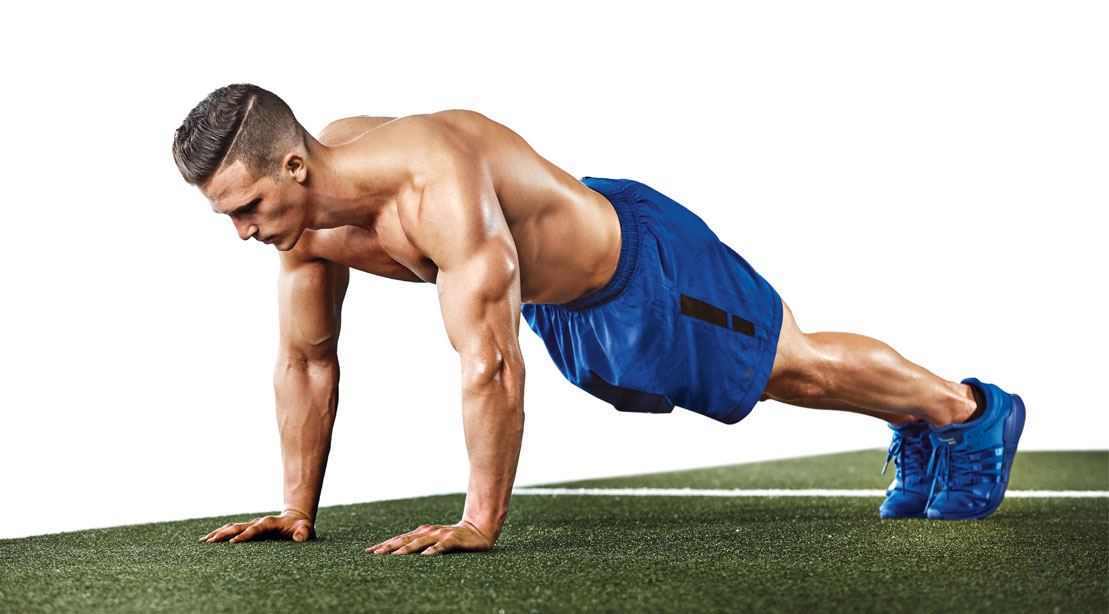
The plank stands as one of the most researched exercises for building core strength, and clinical studies on isometric training confirm that sustained tension in the abdominal wall, obliques, and lower back produces measurable gains in spinal stability, and this article presents thirteen variations that progressively increase difficulty, engage different muscle groups, and support a well-rounded core training routine.
Standard Forearm Plank
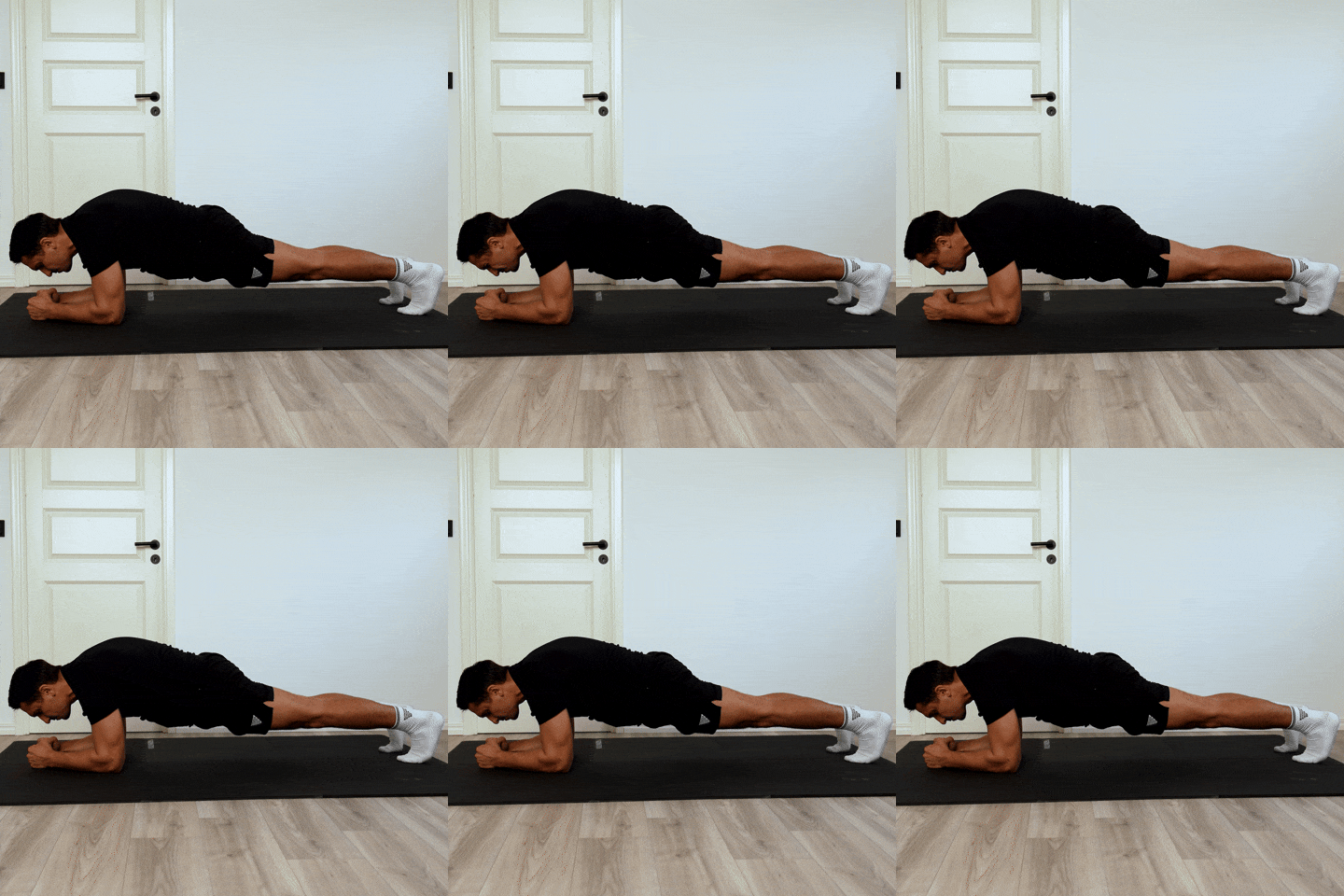
The standard forearm plank remains the foundation for every progression that follows, and it requires the body to form a straight line from the shoulders to the heels, with the forearms flat on the ground, the elbows aligned under the shoulders, and the glutes, abdominals, and quadriceps all contracted simultaneously, and research on electromyographic activity shows this position activates the rectus abdominis and transverse abdominis at a high and consistent rate.
High Plank
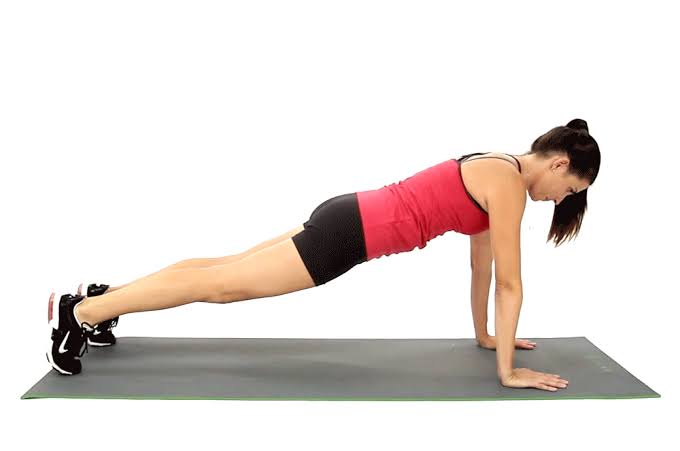
The high plank, also called the straight arm plank, shifts the load onto the wrists and shoulders, and it demands greater activation from the shoulder stabilizers, including the serratus anterior, while still requiring full engagement of the core to prevent the hips from sagging, and this variation also builds wrist strength that transfers well to pushups and other pressing movements.
Side Plank
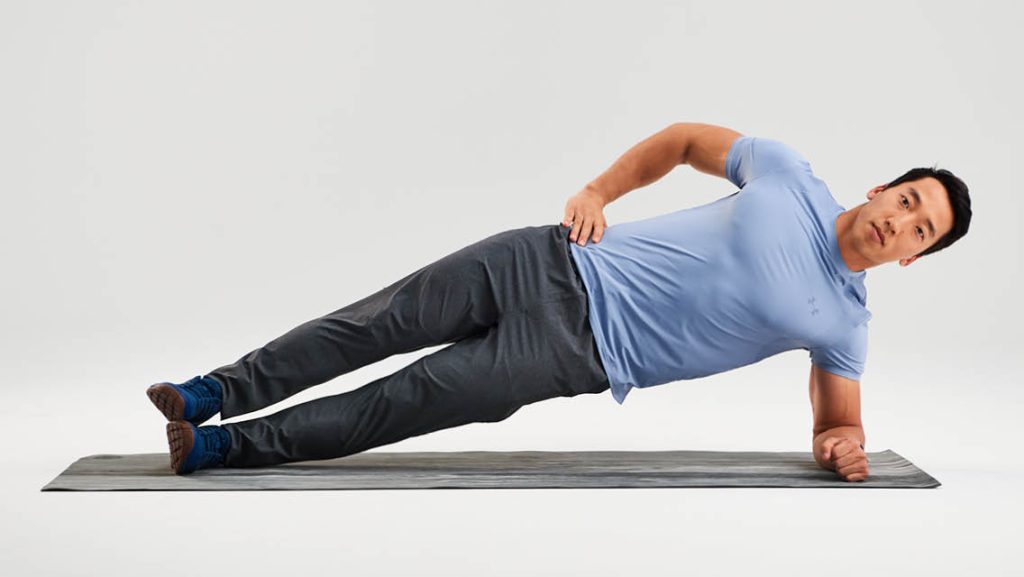
The side plank isolates the obliques and the quadratus lumborum, and it involves balancing on one forearm and the outer edge of one foot, with the hips lifted off the ground and the top arm extended toward the ceiling for added balance, and studies on lateral core training suggest this variation is particularly valuable for reducing the risk of lower back strain during rotational sports.
Reverse Plank
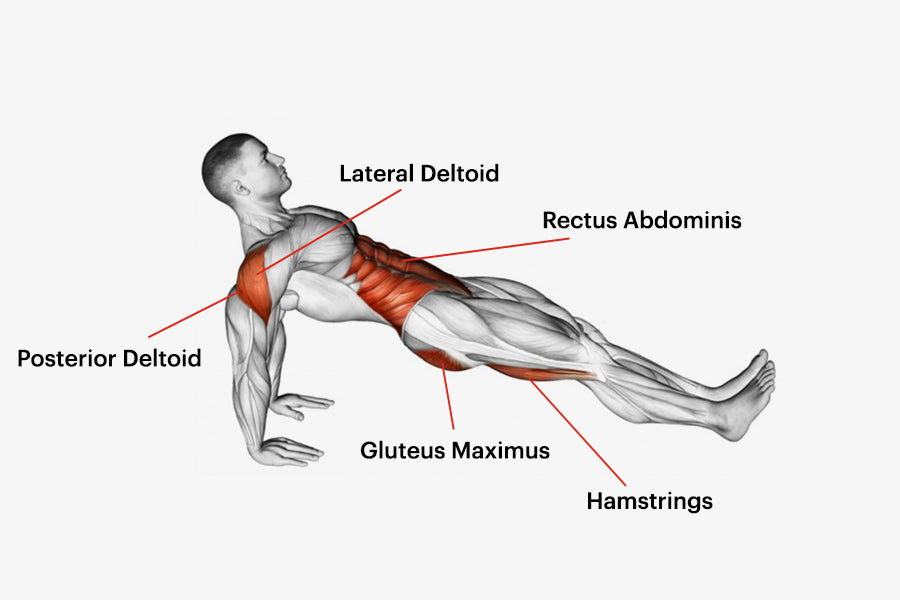
The reverse plank targets the posterior chain, including the glutes, hamstrings, and erector spinae, and it is performed by sitting with the legs extended, placing the hands behind the hips, and lifting the torso so the body forms a straight line facing upward, and this variation is often recommended for correcting postural imbalances caused by prolonged sitting.
Plank with Shoulder Taps
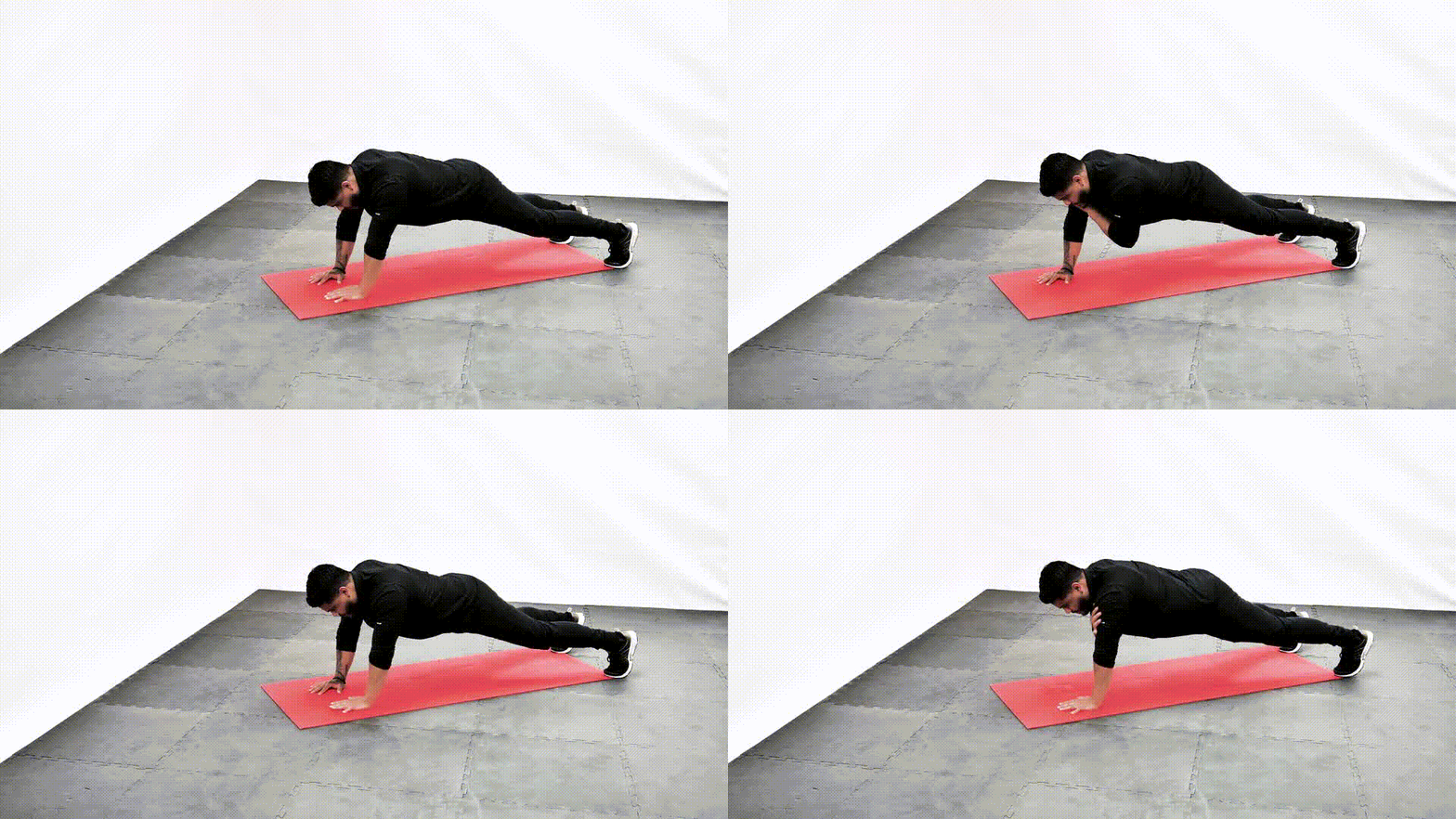
The plank with shoulder taps introduces an anti-rotation challenge, and it requires holding a high plank position while lifting one hand at a time to tap the opposite shoulder, without allowing the hips to twist from side to side, and this makes it a favored choice among physical therapists for training rotational control in the trunk.
Plank Jacks
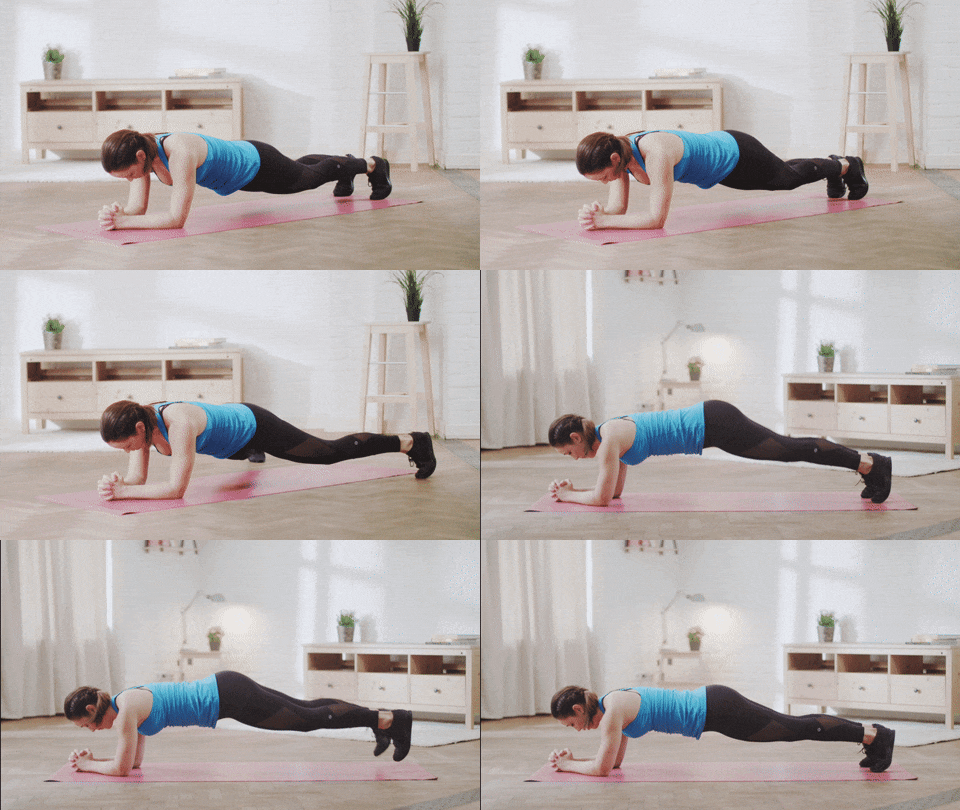
Plank jacks combine the isometric hold of a standard plank with a dynamic lower body movement, and the exercise is performed by jumping the feet apart and back together while maintaining a rigid torso, and this variation raises the heart rate significantly, making it a useful addition to circuit style training that blends cardiovascular and core work.
Plank with Leg Lift
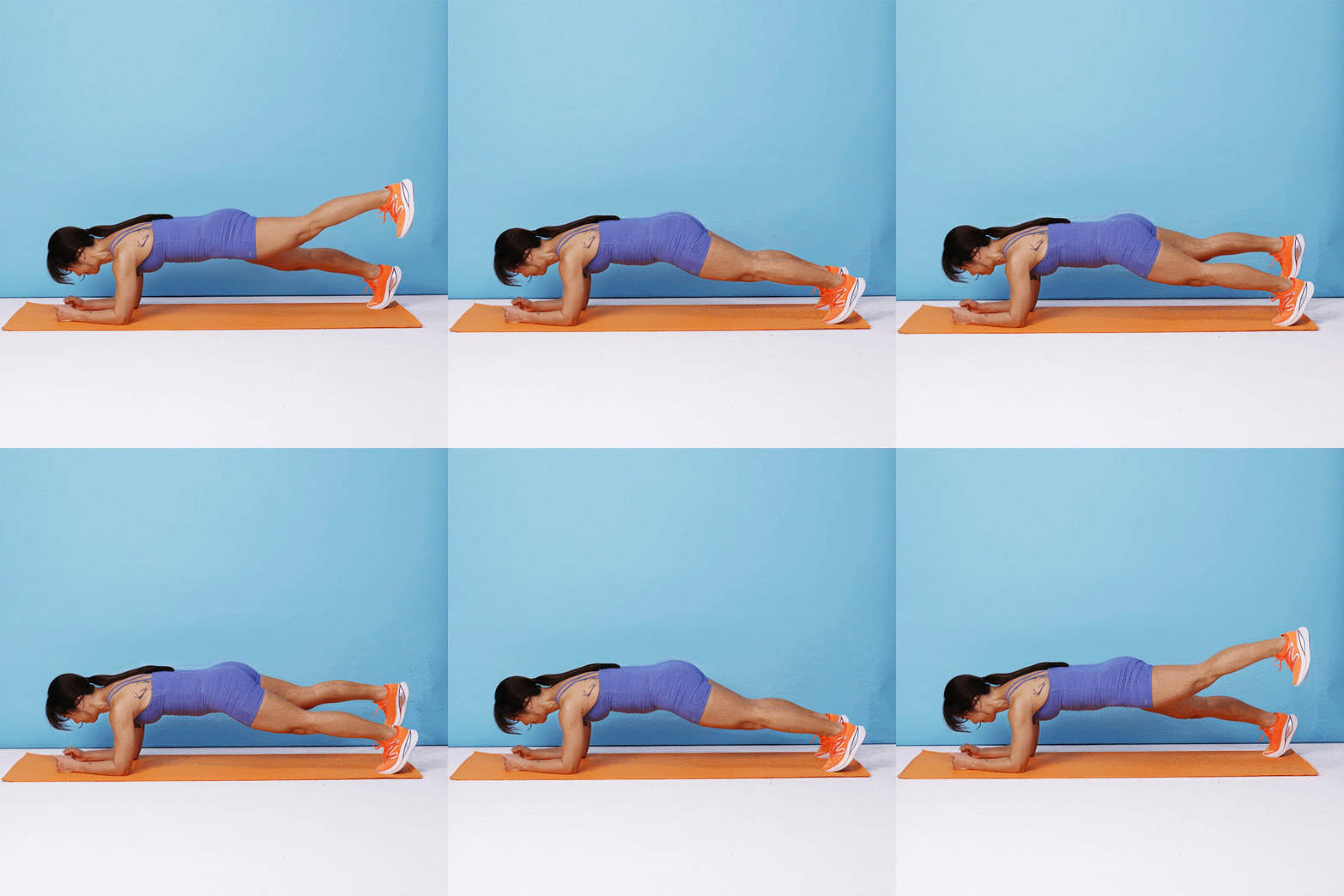
The plank with leg lift increases the demand on the glutes and lower abdominals, and it is executed by holding a standard forearm plank while raising one leg a few inches off the ground and holding briefly before switching sides, and clinicians who study hip stability often recommend this variation for runners seeking to reduce lower back fatigue during long distances.
Spiderman Plank
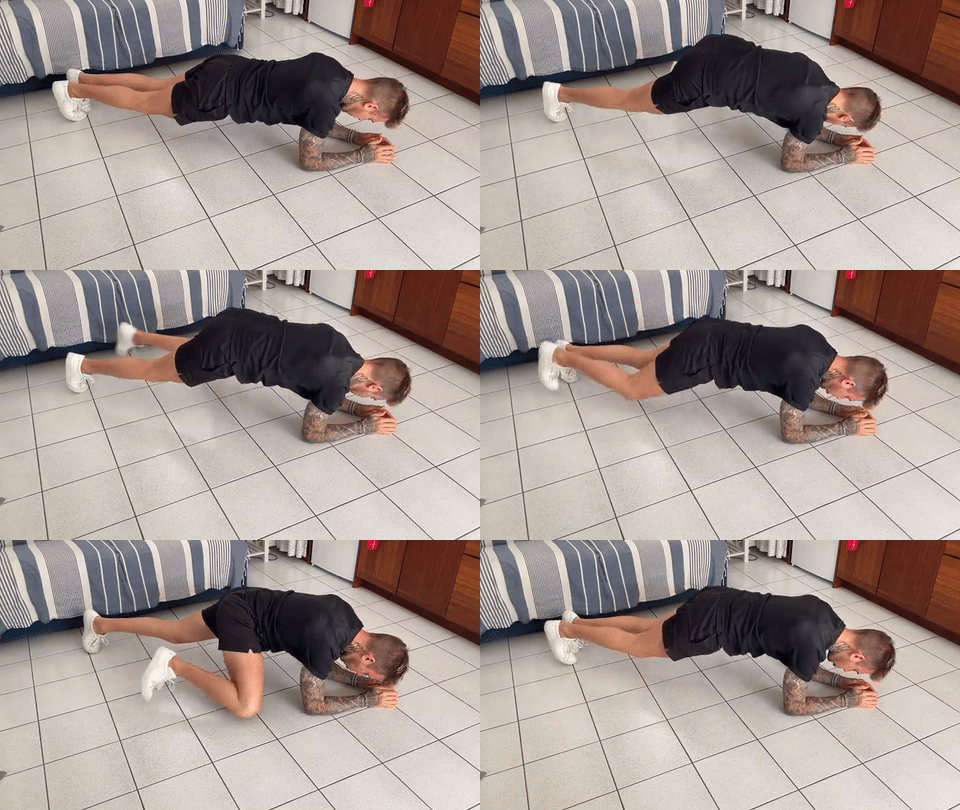
The spiderman plank, sometimes called the plank with knee to elbow, adds a dynamic hip flexor and oblique component, and it involves bringing one knee toward the same side elbow while maintaining the forearm plank position, then returning to the starting stance before repeating on the other side, and this movement mimics functional twisting actions used in many athletic activities.
Plank Up-Downs
Plank up-downs, also known as plank to pushup, transition the body between a forearm plank and a high plank, and the exercise requires pressing up onto one hand at a time until the arms are fully extended, then lowering back down onto the forearms in the same sequence, and this variation builds tricep and shoulder endurance alongside sustained core activation.
Side Plank with Hip Dip
The side plank with hip dip adds a pulsing movement to the static side plank, and it is performed by lowering the hip slowly toward the floor and lifting it back to the starting position in a controlled manner, and this variation increases time under tension for the obliques, which research links to greater strength gains compared to purely static holds.
Plank with Arm Reach
The plank with arm reach challenges balance and shoulder stability simultaneously, and it involves holding a high plank while extending one arm straight out in front of the body, holding briefly, and then returning it to the ground before switching arms, and this exercise is frequently used in rehabilitation settings to retrain the deep stabilizing muscles around the shoulder blade.
Weighted Plank
The weighted plank increases the total load placed on the core by adding a plate or sandbag across the upper back while holding a standard forearm position, and this variation is typically reserved for individuals who have already mastered bodyweight holds of sixty seconds or longer, and physiologists studying progressive overload note that adding external resistance to isometric exercises continues to stimulate strength adaptations even after bodyweight training reaches a plateau.
Plank with Alternating Toe Touch
The plank with alternating toe touch, performed from a high plank stance, requires bringing one hand back to tap the opposite foot while the hips stay level and the spine remains extended, and this movement combines flexibility demands with core stabilization, making it useful for athletes who need both mobility and trunk control for their sport.
Together, these thirteen variations offer a wide range of intensities and muscle emphases, and beginners are generally advised to start with the standard forearm plank, the high plank, and the reverse plank before progressing to dynamic options such as plank jacks or plank up-downs, and intermediate and advanced individuals can combine several variations into a single circuit, holding each position for thirty to forty five seconds with minimal rest between exercises to maximize endurance and strength gains across the entire core, and consistent practice of these movements, performed with attention to alignment and controlled breathing, provides a foundation for improved posture, reduced lower back discomfort, and greater performance across a wide range of physical activities.
Albert Mckennie is a strength and conditioning coach, author, and speaker with experience training athletes and general fitness clients.