


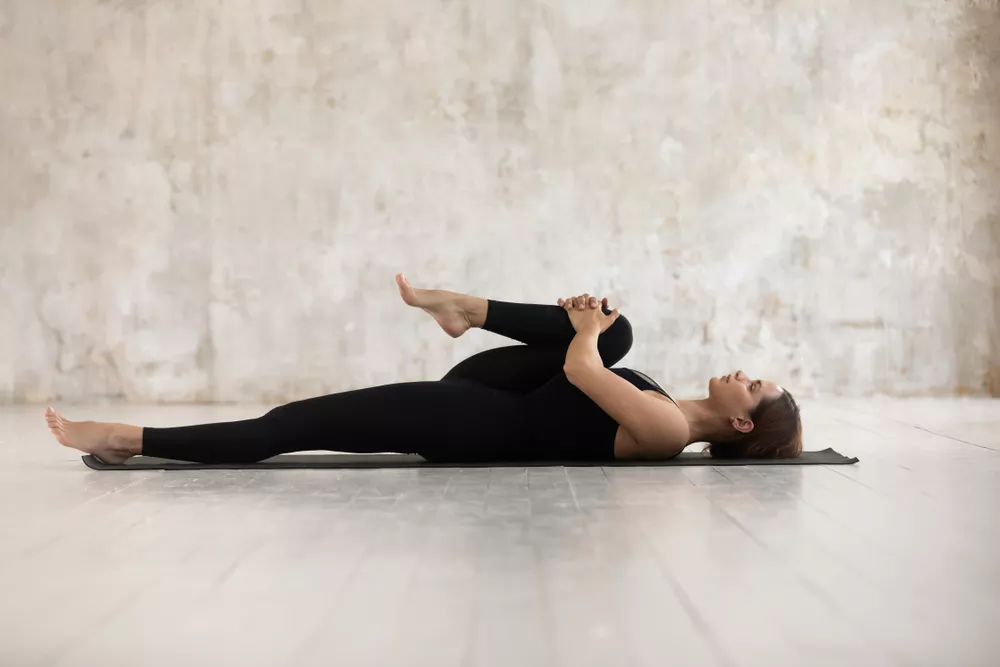
Mobility is the foundation of pain-free movement, comfortable posture, and long-term joint health, and a well-designed stretching routine builds and preserves this foundation, day after day.
Why Mobility Deserves Daily Attention
Muscles, tendons, and joint capsules shorten and stiffen with prolonged sitting, repetitive work tasks, and limited movement variety, and this stiffness gradually reduces range of motion in the hips, shoulders, spine, and ankles, which then affects walking, bending, reaching, and even breathing mechanics, so daily mobility work is not a luxury, it is a maintenance requirement for the entire musculoskeletal system.
Research in sports medicine and physical therapy consistently shows that consistent stretching improves flexibility, reduces stiffness, supports better circulation, and lowers the risk of strains during daily activities, and these benefits accumulate most effectively when stretching is practiced regularly rather than occasionally.
Static Stretching Versus Dynamic Stretching
Static stretching involves holding a position for a set duration, typically between twenty and sixty seconds, allowing the muscle fibers to elongate gradually, and this method works best after physical activity or in the evening, when the body is already warm and relaxed.
Dynamic stretching involves controlled, repetitive movement through a full range of motion, such as leg swings, arm circles, or hip openers, and this method works best before physical activity or in the morning, since it raises muscle temperature, increases blood flow, and prepares joints for movement.
A complete daily routine benefits from both categories, dynamic work in the morning to activate the body, and static work in the evening to release tension accumulated throughout the day.
A Simple Visual Layout for the Daily Routine
The following chart demonstrates how a balanced stretching day can be structured, moving from wake-up mobility through evening recovery.
| Time of Day | Focus Area | Stretch Type | Duration |
|---|---|---|---|
| Morning | Neck, shoulders, hips | Dynamic | 5 to 7 minutes |
| Midday | Lower back, hamstrings | Light dynamic | 3 to 5 minutes |
| Evening | Full body | Static | 10 to 15 minutes |
This layout demonstrates a sustainable structure, one that fits into a working schedule without demanding excessive time, while still addressing the major joints responsible for everyday movement.
Morning Mobility Sequence
The morning sequence should begin with the neck, moving the head gently side to side, and then forward and backward, for about ten repetitions in each direction, since the neck carries tension from sleeping position and screen use.
Shoulder rolls follow, moving the shoulders in wide circles, forward for ten repetitions, then backward for ten repetitions, which loosens the upper back and chest muscles that often tighten from desk work.
Hip circles come next, standing with hands on the hips, rotating the pelvis in slow circles, first clockwise, then counterclockwise, for about ten rotations each direction, since the hips are the central hinge for walking, bending, and sitting transitions.
Leg swings complete the sequence, holding a wall or chair for balance, swinging one leg forward and backward in a controlled arc, for ten repetitions per leg, then switching to side to side swings, which activates the hip flexors and inner thigh muscles before the day begins.
Midday Reset for Desk Workers
Sitting for extended hours compresses the spine and shortens the hip flexors, so a short midday reset restores circulation and reduces the stiffness that builds by early afternoon.
A standing forward fold, reaching toward the toes with a slight bend in the knees, held for twenty seconds, releases tension in the hamstrings and lower back.
A seated spinal twist, sitting tall and rotating the torso toward one side while holding the chair for support, held for fifteen seconds per side, restores rotation in the thoracic spine.
A doorway chest stretch, placing the forearm against a doorframe and gently leaning forward, held for twenty seconds per side, counters the forward shoulder rounding common in desk postures.
Evening Static Stretching Sequence
The evening routine should take place when the body is warm, ideally after a shower or light activity, and each stretch should be held without bouncing, breathing slowly throughout.
The hamstring stretch, sitting on the floor with legs extended, reaching toward the toes, held for thirty seconds, addresses one of the most commonly shortened muscle groups in modern lifestyles.
The hip flexor stretch, kneeling on one knee with the opposite foot forward, gently pressing the hips forward, held for thirty seconds per side, releases tension from prolonged sitting.
The calf stretch, standing with hands against a wall, one leg extended behind with the heel pressed to the floor, held for thirty seconds per side, improves ankle mobility, which directly supports walking and stair climbing.
The child’s pose, kneeling and folding forward with arms extended, held for forty-five seconds, releases the lower back and shoulders simultaneously, offering a calming close to the daily routine.
The figure-four stretch, lying on the back, crossing one ankle over the opposite knee, then pulling the supporting leg toward the chest, held for thirty seconds per side, targets the deep hip rotators, which are frequently overlooked yet directly affect walking mechanics.
Frequency and Progression
A daily commitment produces the most reliable improvement in flexibility, though even four to five sessions per week yield measurable benefits within several weeks, according to physical therapy research.
Progression should be gradual, increasing hold times by five to ten seconds every one to two weeks, rather than forcing a deeper stretch too quickly, since the nervous system needs repeated exposure to safely allow muscles to lengthen.
Breathing plays a direct role in stretch effectiveness, since slow, controlled exhales encourage the nervous system to reduce muscle guarding, allowing a more complete release during each hold.
Supporting Mobility Beyond Stretching
Hydration supports tissue elasticity, since well-hydrated muscles and connective tissues stretch more comfortably than dehydrated ones.
Regular walking, even in short intervals throughout the day, supports joint lubrication and prevents the stiffness that builds during long periods of stillness.
Strength training for the muscles surrounding major joints, particularly the hips, shoulders, and core, supports the improvements gained through stretching, since flexibility paired with strength produces more stable, controlled movement.
Sleep quality also influences mobility, since deep sleep stages support tissue repair and reduce the inflammation that contributes to stiffness.
Building a Sustainable Habit
Attaching stretching to an existing daily habit, such as brushing teeth or preparing morning coffee, increases the likelihood of consistency, since the routine becomes attached to a cue that already exists in the daily structure.
Tracking progress, whether through a simple journal or noting improved ease in daily tasks such as tying shoes or reaching overhead, reinforces motivation and highlights the gradual gains that stretching provides over weeks and months.
A stretching routine built around morning activation, midday reset, and evening release addresses the full spectrum of everyday mobility needs, supporting the joints and muscles responsible for walking, bending, reaching, and sitting, and when practiced consistently, this structure delivers lasting improvement in comfort, movement quality, and daily physical ease.

Albert Mckennie is a strength and conditioning coach, author, and speaker with experience training athletes and general fitness clients.