


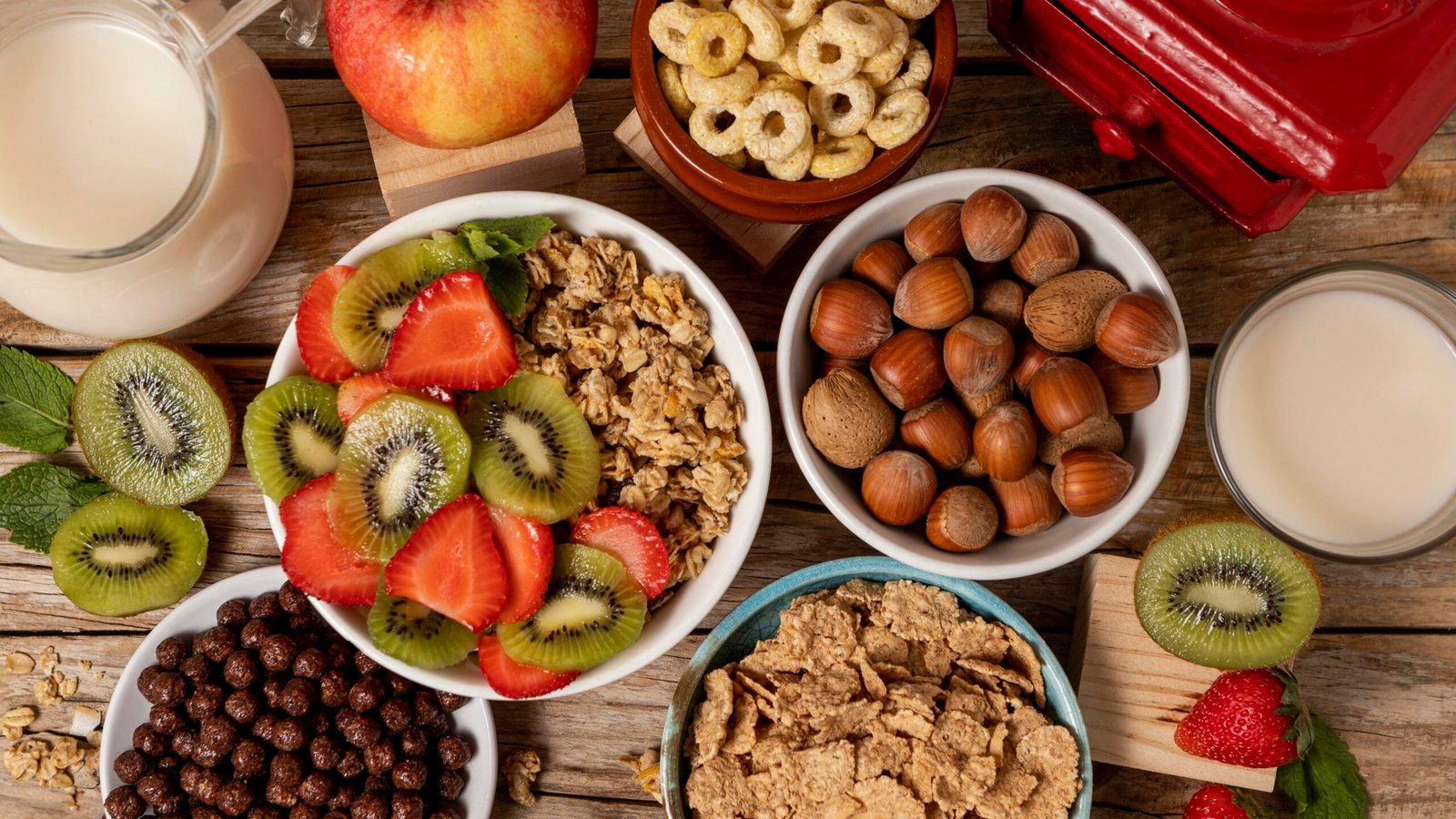
Eating the right foods before a workout provides the body with fuel for energy, supports muscle performance, and helps delay fatigue, and choosing wisely can influence endurance, strength output, and recovery afterward, since the body relies on stored and readily available energy sources during physical exertion, and what a person eats in the hours leading up to exercise directly shapes how the session feels and performs.
Why Pre-Workout Nutrition Is Important
The body draws on carbohydrates, fats, and to a lesser extent protein for energy during exercise, and the balance of these nutrients before training determines how much fuel is available, how stable blood sugar remains, and how well the muscles are supported throughout the session, and eating too little beforehand can lead to early fatigue, dizziness, or reduced strength, while eating the wrong foods, such as those high in fat or fiber, can cause digestive discomfort during movement.
Carbohydrates as the Primary Fuel Source
Carbohydrates are the most efficient source of energy for the muscles and the brain during exercise, since they are broken down into glucose, which is either used immediately or stored as glycogen in the muscles and liver, and having adequate glycogen stores before a workout supports sustained effort, especially during longer or higher intensity sessions, and simple carbohydrates such as bananas, oats, white rice, or whole grain bread are commonly recommended before training because they digest at a manageable pace and provide steady energy, and consuming carbohydrates one to three hours before exercise allows enough time for digestion while still keeping glycogen stores topped up.
Protein for Muscle Support
Protein consumed before a workout can help reduce muscle breakdown during exercise and support repair afterward, and pairing a moderate amount of protein with carbohydrates before training has been associated with improved muscle protein synthesis compared to carbohydrates alone, and foods such as eggs, Greek yogurt, cottage cheese, or a small serving of lean chicken are often chosen for their digestibility and amino acid content, and unlike large protein meals, smaller portions before exercise are preferred since large amounts of protein can slow digestion and divert blood flow away from the muscles that will soon be working.
Fats and Their Role Before Exercise
Fats are a dense source of energy, but they digest more slowly than carbohydrates, so consuming high fat meals immediately before a workout can lead to sluggishness or gastrointestinal discomfort, and for this reason, fat intake before training is generally kept low, particularly in the hour or two before exercise, and small amounts of healthy fats, such as those found in nut butter or avocado, can be included in meals eaten several hours before training without causing issues, since the extended time allows for proper digestion.
Hydration as Part of Pre-Workout Preparation
Water plays a foundational role in performance, since even mild dehydration can impair strength, endurance, and concentration, and drinking water steadily throughout the day, along with a moderate amount in the one to two hours before exercise, helps maintain fluid balance, and for workouts lasting longer than an hour, or those performed in heat, incorporating electrolytes such as sodium and potassium can help maintain fluid retention and muscle function.
Timing Guidelines for Pre-Workout Meals
The timing of a pre-workout meal influences which foods are appropriate, since foods eaten further in advance can include more fiber, fat, and protein, while foods eaten closer to training should be simpler and easier to digest, and the following outline demonstrates common timing recommendations based on available research.
| Time Before Workout | Recommended Food Type | Examples |
|---|---|---|
| 3 to 4 hours | Balanced meal with carbohydrates, protein, and some fat | Grilled chicken, brown rice, vegetables |
| 1 to 2 hours | Moderate carbohydrates with light protein, low fat | Greek yogurt with fruit, oatmeal with a banana |
| 30 to 60 minutes | Simple, fast digesting carbohydrates | Banana, dates, white toast with honey |
| Less than 30 minutes | Small, easily digestible snack | Fruit juice, a few dates, rice cakes |
This outline shows that the closer a person gets to their workout, the simpler and lighter the food choice should become, since the body has less time to complete digestion before physical activity begins.
Specific Foods Commonly Recommended Before a Workout
Bananas are frequently chosen before workouts because they provide easily digestible carbohydrates along with potassium, which supports muscle function, and oats are another common choice, since they release energy gradually and contain fiber that supports steady blood sugar, and dates are valued for their concentrated natural sugars, which offer a fast source of energy for shorter or more intense sessions, and Greek yogurt combined with fruit provides a mix of protein and carbohydrates that many people tolerate well before moderate intensity training, and whole grain toast with honey or jam offers a simple carbohydrate combination that is gentle on digestion, and for those training early in the morning without much time to eat, a small smoothie combining fruit, a scoop of protein, and a liquid base can provide nutrients without the heaviness of solid food.
Special Considerations for Different Types of Exercise
Endurance activities such as running or cycling for extended periods benefit from higher carbohydrate intake before training, since sustained effort draws heavily on glycogen stores, and strength training sessions may benefit from a slightly higher protein ratio, since the goal often centers on muscle preservation and repair, and high intensity interval training, due to its short and explosive nature, tends to be best supported by fast digesting carbohydrates, since the body needs readily available glucose rather than slower burning fuel sources, and individual tolerance also plays a role, since some people can eat a full meal shortly before exercising, while others require a longer gap to avoid discomfort.
Individual Variation
Every person responds differently to food before exercise, since factors such as metabolism, workout intensity, meal composition, and personal digestion speed all influence comfort and performance, and testing different foods and timing windows during lower stakes training sessions can help identify what works best for a given individual before relying on a specific approach for important competitions or high intensity workouts, and keeping a simple log of what was eaten, when it was eaten, and how the workout felt afterward can help refine these choices over time.

Albert Mckennie is a strength and conditioning coach, author, and speaker with experience training athletes and general fitness clients.