


Cool-down exercises represent a critical phase of physical training, involving a gradual reduction in exercise intensity, allowing the cardiovascular system, the muscular system, and the nervous system to transition smoothly from high exertion back to a resting state, a process supported by decades of sports medicine research, showing that abrupt cessation of vigorous activity can lead to blood pooling in the lower limbs, dizziness, and delayed muscle recovery.
The Physiology of Cool-Down
During intense exercise, the heart pumps blood rapidly to working muscles, the muscles themselves act as pumps through their repeated contractions, helping return blood to the heart, and when exercise stops suddenly, this pumping action ceases, blood can pool in the extremities, reducing blood flow to the brain and other vital organs, a gradual cool-down maintains muscle contraction at a lower intensity, supporting venous return, stabilizing heart rate, and preventing a sharp drop in blood pressure.
Lactate clearance is another physiological process influenced by cool-down activity, moderate movement after intense training increases blood circulation through the muscles, helping remove metabolic byproducts more efficiently than complete rest, several exercise physiology studies have shown that active recovery, such as light jogging or cycling, clears lactate from the bloodstream faster than passive recovery, such as sitting or lying down.
Light Aerobic Movement
Walking at a slow pace for five to ten minutes after a workout allows the heart rate to decrease gradually, this practice is recommended by sports medicine professionals across endurance and strength disciplines, as it maintains blood flow to working muscles without adding further strain, walking on a treadmill or outdoors, at a pace noticeably slower than the workout itself, is considered one of the simplest and most effective cool-down choices.
Cycling at low resistance offers similar benefits, particularly for athletes who have been running or performing high-impact activities, pedaling gently for several minutes reduces joint stress while still promoting circulation, this option is frequently used by cyclists themselves, as well as runners and team-sport athletes, to ease out of a demanding session.
Static Stretching for Muscle Recovery
Static stretching, which involves holding a muscle in a lengthened position for fifteen to thirty seconds, is widely used at the end of workouts to restore muscle length and reduce tension, research on flexibility training indicates that static stretching performed after exercise, rather than before, is associated with fewer injuries and improved range of motion over time, muscles commonly targeted include the hamstrings, quadriceps, calves, hip flexors, chest, and shoulders.
The physiological reasoning behind post-exercise static stretching relates to muscle temperature, warm muscles are more pliable, allowing for safer and more effective elongation, cold muscles resist stretching and are more prone to strain, this is why static stretching is placed after the workout rather than before, when muscles have already been warmed through activity.
Proprioceptive Neuromuscular Facilitation Techniques
Proprioceptive neuromuscular facilitation, commonly known as PNF stretching, combines passive stretching with isometric contraction, a typical sequence involves stretching a muscle, then contracting it against resistance for several seconds, followed by a deeper stretch, this method has been studied extensively in physical therapy settings, showing greater improvements in flexibility compared to static stretching alone, though it typically requires a partner or resistance band for proper execution.
Athletes recovering from intense strength training often benefit from PNF techniques applied to major muscle groups such as the hamstrings and shoulders, the contraction and relaxation cycle appears to reduce neural resistance to stretching, allowing muscles to lengthen more comfortably, this technique is particularly valued in rehabilitation programs following injury.
Foam Rolling and Myofascial Release
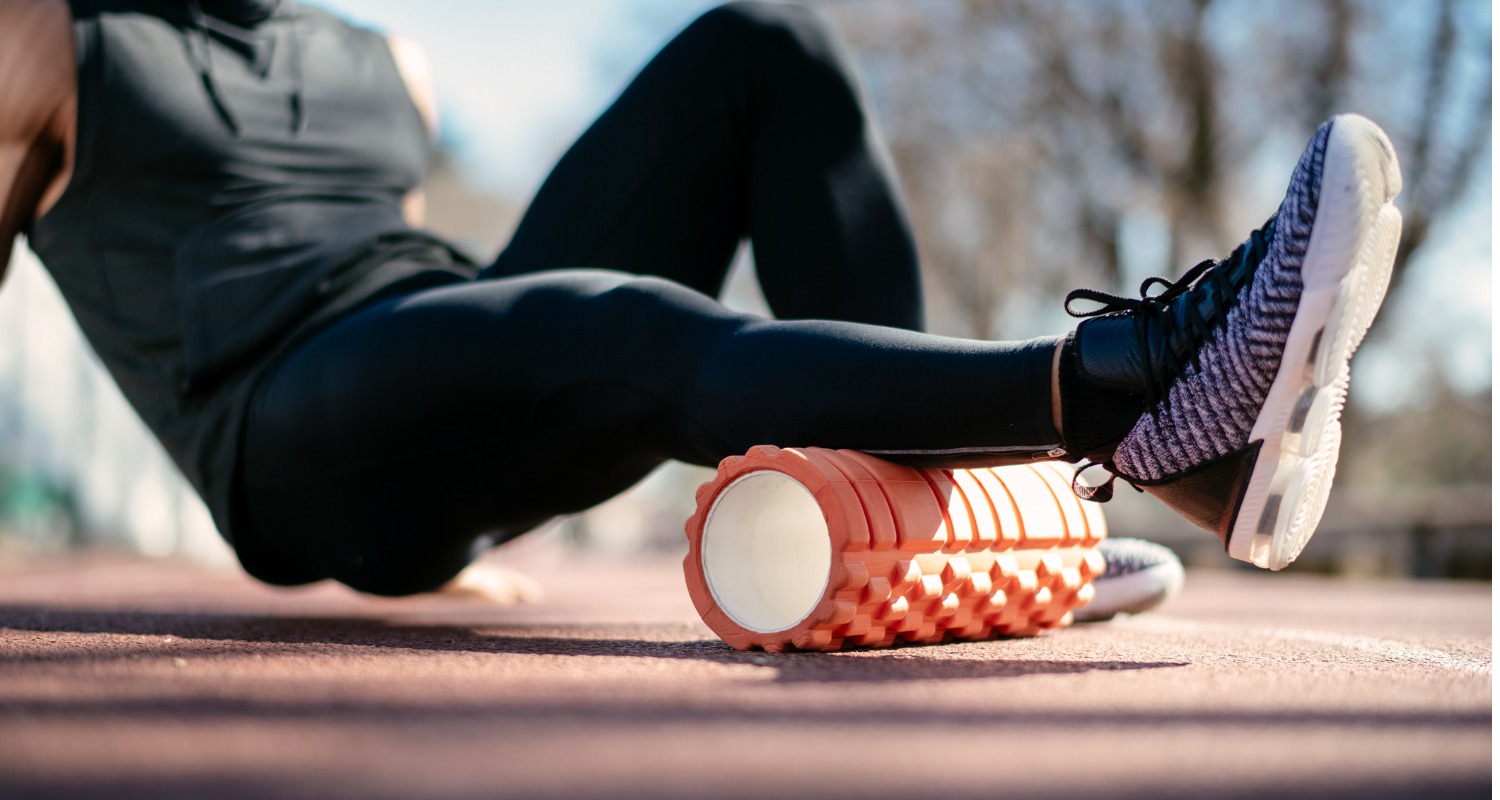
Foam rolling, a form of self-myofascial release, applies pressure to muscles and connective tissue using a cylindrical foam tool, this practice is believed to reduce muscle stiffness, improve blood flow, and decrease the sensation of soreness following exercise, studies comparing foam rolling to no intervention have found measurable improvements in perceived recovery and range of motion, particularly in the calves, quadriceps, and back muscles.
The recommended approach involves rolling each muscle group slowly for thirty to sixty seconds, avoiding excessive pressure on joints or bony areas, focusing instead on the muscle belly, this technique is often combined with static stretching, as the two approaches address different aspects of muscle tightness, one targeting the muscle fibers directly, the other targeting the surrounding fascia.
Breathing Techniques for Nervous System Recovery
Controlled breathing exercises performed during cool-down help shift the body from a sympathetic state, associated with exertion and stress, toward a parasympathetic state, associated with rest and digestion, diaphragmatic breathing, which involves deep inhalation through the nose, expansion of the abdomen, and slow exhalation through the mouth, has been shown to lower heart rate and reduce cortisol levels following intense physical activity.
A simple breathing sequence involves inhaling for a count of four, holding for a count of four, and exhaling for a count of six, repeated for several minutes, this practice is often used by endurance athletes and strength athletes alike, as it supports both physical and mental recovery, allowing the nervous system to settle after the demands of training.
Hydration and Nutrient Replenishment
Fluid intake following exercise supports the physiological processes involved in recovery, sweat loss during exercise leads to a reduction in blood volume, replenishing fluids restores this volume, supporting nutrient delivery to muscles and waste removal from tissues, water is generally sufficient for shorter sessions, while electrolyte-containing beverages are recommended for prolonged or high-intensity training, particularly in hot conditions.
Protein and carbohydrate intake within the window following exercise supports muscle repair and glycogen replenishment, research on post-exercise nutrition consistently points to a combination of protein, which supplies amino acids for muscle repair, and carbohydrates, which restore glycogen stores depleted during activity, timing this intake within thirty to sixty minutes after training is commonly recommended by sports nutrition professionals.
Practical Application for Different Training Types
For strength training sessions, a cool-down combining light aerobic movement, static stretching of the muscles trained, and foam rolling is generally sufficient, five to ten minutes of walking, followed by five minutes of stretching, addresses both cardiovascular and muscular recovery needs.
For endurance training, such as running or cycling, a longer cool-down period is often beneficial, gradually reducing pace over ten to fifteen minutes, followed by stretching of the lower body muscles, supports the cardiovascular system in returning to baseline while addressing the specific muscle groups under the greatest strain.
For high-intensity interval training, combining short bursts of maximal effort with brief rest periods, cool-down becomes particularly important, as heart rate and core temperature rise sharply during this type of training, a cool-down involving slow movement, deep breathing, and stretching helps the body return to a stable state more comfortably than stopping abruptly.
Cool-down practices, supported by physiological research across multiple disciplines, contribute meaningfully to recovery, reducing muscle soreness, supporting cardiovascular stability, and preparing the body for subsequent training sessions, incorporating these practices consistently into a training routine offers measurable benefits for both short-term comfort and long-term physical performance.

Albert Mckennie is a strength and conditioning coach, author, and speaker with experience training athletes and general fitness clients.