


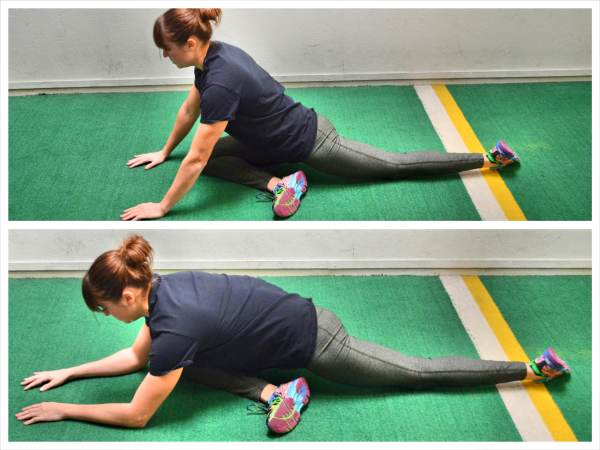

The period after intense training determines how fast the body returns to a balanced state, how efficiently waste products clear from muscle tissue, and how prepared the nervous system becomes for the next session, a properly structured cool-down phase shortens soreness duration, lowers injury risk, and restores normal heart rhythm at a pace the body can adapt to.
Physiological Response During Recovery
During vigorous exercise, the heart pumps blood rapidly to working muscles, lactate accumulates in tissue, and the sympathetic nervous system stays activated, stopping abruptly after intense effort causes blood to pool in the lower limbs, which can trigger dizziness, lightheadedness, or a sharp drop in blood pressure, a gradual reduction in effort allows the cardiovascular system to transition smoothly, and it supports venous return through continued muscle contraction.
Structured recovery routines typically follow a three-stage progression:
- Active movement at reduced intensity, lasting five to ten minutes, bringing heart rate down gradually
- Static stretching targeting major muscle groups, held for twenty to thirty seconds per position
- Breathing and relaxation work, activating the parasympathetic nervous system for a full return to rest
Low-Intensity Movement as the First Step
Walking, light cycling, or slow swimming immediately following intense exercise keeps blood circulating through the muscles rather than allowing it to stagnate, this continued movement assists in flushing metabolic byproducts such as lactate and hydrogen ions out of the tissue, and it prevents the abrupt cardiovascular shift that can accompany sudden stillness.
A runner completing a hard session benefits from five to ten minutes of easy jogging or walking, a weightlifter benefits from a few minutes on a stationary bike at minimal resistance, and a swimmer benefits from several relaxed laps at a fraction of race pace, in each case, the goal remains the same, allowing heart rate to decline steadily rather than crashing.
Static Stretching for Muscle Length and Tension Release
Once heart rate has settled, static stretching becomes appropriate, holding each stretch without bouncing, and focusing on the muscle groups used most heavily during the session, this practice supports the restoration of normal muscle length, reduces residual tension, and may contribute to a lower incidence of stiffness in the following days.
Common stretches included in a cool-down routine:
- Hamstring stretch, seated or standing, holding the position while keeping the knee straight
- Quadriceps stretch, standing on one leg while pulling the opposite ankle toward the glutes
- Calf stretch, leaning against a wall with the back heel pressed to the floor
- Chest and shoulder stretch, clasping hands behind the back and lifting slightly
- Hip flexor stretch, kneeling with one leg forward, shifting weight forward gently
Each position should be held for twenty to thirty seconds, repeated on both sides of the body, without forcing the stretch beyond a comfortable range of motion.
Breathing Techniques That Support Nervous System Recovery
Controlled breathing exercises performed at the end of a session help shift the body from a heightened state of alertness into a calmer physiological condition, slow diaphragmatic breathing lowers heart rate further, reduces circulating stress hormones, and prepares the mind for rest, this practice takes only a few minutes and requires no equipment.
A simple breathing sequence for cool-down involves:
- Inhaling through the nose for a count of four, allowing the abdomen to expand
- Holding the breath briefly for a count of two
- Exhaling slowly through the mouth for a count of six
- Repeating this cycle for five to eight minutes while seated or lying down
This pattern encourages activation of the vagus nerve, which plays a central role in shifting the body toward rest and digestion rather than continued exertion.
Foam Rolling and Self-Massage Techniques
Foam rolling, also called self-myofascial release, applies steady pressure to muscle tissue using body weight against a foam cylinder or roller, this technique may reduce muscle tightness, improve blood flow to the treated area, and decrease the sensation of soreness in the days following intense training.
Areas commonly addressed with foam rolling after a workout include the calves, hamstrings, quadriceps, glutes, and upper back, each area should receive thirty to sixty seconds of rolling, moving slowly rather than rushing across the muscle, and avoiding direct pressure on joints or bony areas.
Cool-Down Approaches Based on Activity Type
Different forms of exercise call for slightly different cool-down emphasis, a strength training session benefits most from stretching and breathing work since cardiovascular strain remains moderate, an endurance session such as running or cycling benefits most from an extended period of easy movement since heart rate reaches higher sustained levels, and a high-intensity interval session benefits from a combination of all three stages given the extreme swings in effort involved.
Sport-specific considerations for cool-down duration:
- Strength training, five to ten minutes total, focused on stretching the muscles trained that day
- Endurance running or cycling, ten to fifteen minutes total, beginning with reduced pace before stretching
- High-intensity interval training, ten to fifteen minutes total, starting with slow movement before breathing exercises
- Team sports such as soccer or basketball, ten minutes total, addressing the legs and hips most heavily
Hydration and Nutrition Timing After Training
Recovery extends beyond movement and stretching alone, replacing fluid lost through sweat supports the return of normal blood volume and helps regulate body temperature, consuming a combination of carbohydrate and protein within an hour of finishing exercise supports glycogen replenishment and muscle repair, and these nutritional steps work alongside physical cool-down practices rather than replacing them.
Water intake should reflect the intensity and duration of the session, with additional electrolytes recommended following prolonged sweating in hot conditions, a small meal or snack containing both carbohydrate and protein, such as yogurt with fruit or a turkey sandwich, supports the repair processes already underway in muscle tissue.
Sleep and Long-Term Recovery Support
The benefits of a proper cool-down extend into the hours following exercise, particularly through their effect on sleep quality, a body that transitions calmly out of intense exertion tends to fall asleep more easily and experience deeper, more restorative sleep stages, since growth hormone release and tissue repair occur predominantly during sleep, supporting this process through an effective cool-down routine carries benefits well beyond the training session itself.
Maintaining a consistent cool-down habit across weeks and months builds cumulative benefits for joint health, muscle elasticity, and injury prevention, athletes who neglect this phase of training often experience more frequent minor injuries, prolonged stiffness, and slower overall progress compared to those who treat the cool-down as an integral part of every session, rather than an optional add-on at the end.