


Poor posture develops gradually through repeated positions such as prolonged sitting, forward head alignment while looking at screens, and weak stabilizing muscles around the spine, and over time these habits place uneven pressure on the vertebrae, discs, and surrounding soft tissue, leading to chronic discomfort, reduced mobility, and in many cases persistent lower back pain, upper back tightness, and neck strain, the good news is that targeted exercises can retrain the muscles responsible for spinal alignment, restore natural curvature, and significantly reduce pain when practiced consistently.
Posture and Spinal Support
The spine relies on a coordinated system of muscles including the erector spinae, multifidus, transverse abdominis, glutes, and upper back muscles such as the rhomboids and trapezius, when these muscles are weak or imbalanced, the body compensates by shifting the pelvis, rounding the shoulders, or overextending the neck, which creates strain on the joints and discs, strengthening these support muscles while also stretching the tight opposing muscles such as the hip flexors and chest is the foundation of any posture correction routine.
Glute Bridge
The glute bridge strengthens the glutes and lower back extensors while teaching the pelvis to maintain a neutral position, to perform it, lie on the back with knees bent and feet flat on the floor, then lift the hips toward the ceiling while squeezing the glutes, hold for two seconds, then lower slowly, repeating for twelve to fifteen repetitions, this exercise directly counters the anterior pelvic tilt that often accompanies prolonged sitting.
Bird Dog
The bird dog exercise builds core stability and coordination between opposite limbs, which supports the lower back during everyday movement, begin on the hands and knees, extend one arm forward while extending the opposite leg backward, keep the hips level and the spine straight, hold for several seconds, then switch sides, this movement reinforces the deep core muscles that protect the spine from rotational stress.
Dead Bug
The dead bug exercise trains the abdominal muscles to stabilize the spine without allowing the lower back to arch, lie on the back with arms extended toward the ceiling and knees bent at ninety degrees, slowly lower one arm and the opposite leg toward the floor while keeping the lower back pressed down, then return to the starting position and switch sides, this controlled movement is especially useful for people recovering from lower back discomfort.
Cat Cow Stretch
The cat cow stretch increases mobility throughout the entire spine while relieving tension built up from sitting, starting on the hands and knees, arch the back while lifting the chest and tailbone for the cow position, then round the spine while tucking the chin and pelvis for the cat position, moving slowly between these two positions for ten to fifteen repetitions helps restore natural spinal movement and reduces stiffness.
Wall Angels
Wall angels target the muscles between the shoulder blades and help correct rounded shoulders, stand with the back against a wall, arms raised in a goalpost position with elbows and wrists touching the wall, slowly slide the arms upward and downward while maintaining contact with the wall, this exercise strengthens the rhomboids and lower trapezius while stretching tight chest muscles that pull the shoulders forward.
Chin Tucks
Chin tucks address forward head posture, a common issue caused by looking down at phones and screens for extended periods, to perform this exercise, sit or stand tall, gently draw the chin backward as if creating a double chin, hold for five seconds, then release, repeating ten times strengthens the deep neck flexors and reduces strain on the cervical spine.
Thoracic Extension Stretch
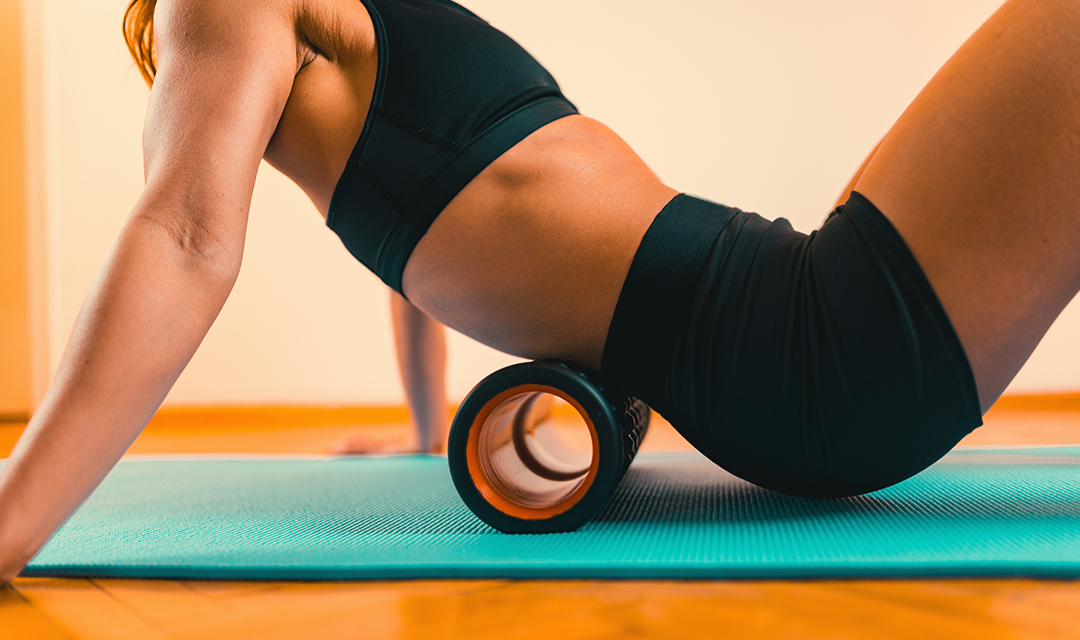
The thoracic spine, located in the upper and middle back, often becomes stiff from sitting and hunching forward, using a foam roller placed horizontally under the upper back, support the head with the hands and gently extend backward over the roller, this stretch restores extension capacity in the thoracic spine and reduces compensatory strain on the lower back and neck.
Plank
The plank exercise builds endurance in the entire core, including the abdominals, obliques, and lower back muscles, which collectively support proper spinal alignment during standing and sitting, to perform it correctly, position the body in a straight line from head to heels while resting on the forearms and toes, engage the abdominal muscles, and avoid letting the hips sag or rise, holding this position for twenty to sixty seconds trains the body to maintain a stable, neutral spine throughout daily activities.
Seated Row
The seated row, performed with a resistance band or cable machine, strengthens the muscles of the upper back that pull the shoulders into proper alignment, sit with legs extended, loop the band around the feet, and pull the handles toward the torso while squeezing the shoulder blades together, this exercise directly counteracts the forward shoulder position associated with prolonged desk work.
Hip Flexor Stretch
Tight hip flexors, caused by extended sitting, pull the pelvis forward and increase curvature in the lower back, to stretch these muscles, kneel on one knee with the other foot forward in a lunge position, gently push the hips forward while keeping the torso upright, hold for thirty seconds on each side, releasing tension in the hip flexors allows the pelvis to return to a more neutral position, which reduces lower back strain.
Chest Opener Stretch
Tight chest muscles contribute significantly to rounded shoulders and forward head posture, standing in a doorway with the arms bent at ninety degrees and forearms resting on the frame, gently lean forward until a stretch is felt across the chest, holding for thirty seconds helps lengthen the pectoral muscles and allows the shoulders to sit in a more natural, retracted position.
Frequency and Practice Recommendations
For meaningful improvement in posture and reduction in back pain, these exercises should be practiced consistently, ideally three to five times per week, combining strengthening exercises such as the glute bridge, bird dog, dead bug, plank, and seated row with stretching exercises such as the cat cow, thoracic extension, hip flexor stretch, and chest opener creates a balanced routine that addresses both weak and tight muscle groups, additionally, incorporating movement breaks throughout the day, such as standing up every thirty minutes and performing a few chin tucks or wall angels, reduces the cumulative strain caused by prolonged sitting.
The Role of Daily Habits
Exercise alone cannot fully correct posture if daily habits continue to reinforce poor alignment, adjusting workstation setup so that the screen is at eye level, the chair supports the natural curve of the lower back, and the feet rest flat on the floor supports the benefits gained from targeted exercise, similarly, being mindful of posture while walking, standing, and sleeping, such as choosing a supportive mattress and pillow, contributes to long term spinal health.
Consulting a Healthcare Professional
Individuals experiencing persistent or severe back pain should consult a physical therapist or physician before beginning a new exercise routine, as underlying conditions such as disc herniation, spinal stenosis, or muscle imbalances may require a tailored approach, a healthcare professional can also assess movement quality and ensure exercises are performed safely and effectively, particularly for those recovering from injury or managing chronic pain.

Albert Mckennie is a strength and conditioning coach, author, and speaker with experience training athletes and general fitness clients.