


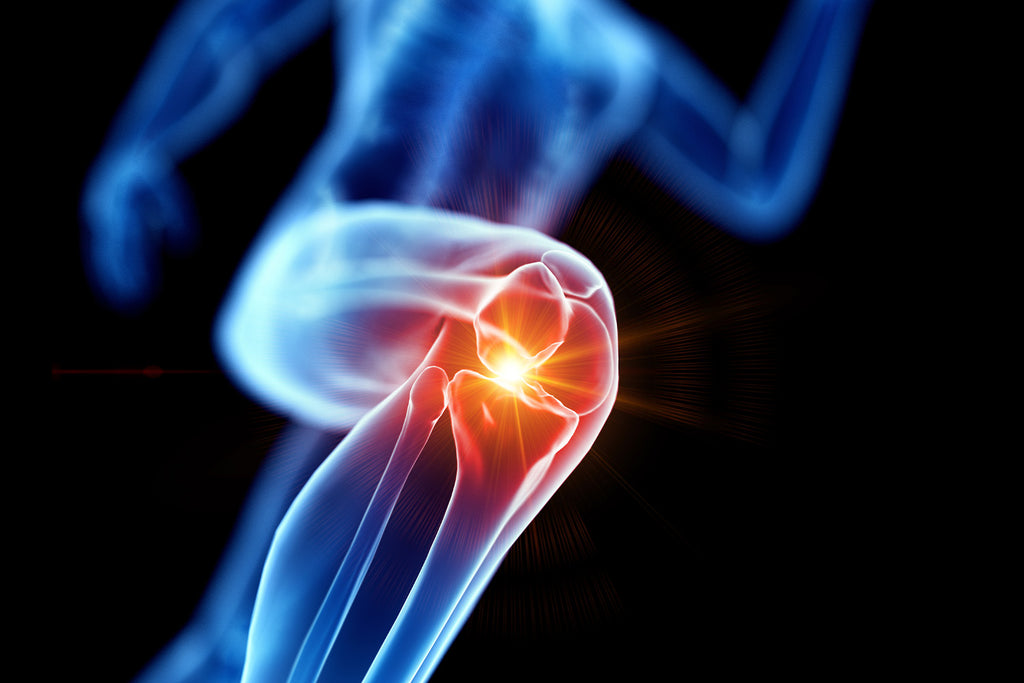
Joint health depends on a combination of strength, mobility, and controlled movement, and regular physical activity plays a central role in maintaining the function of cartilage, ligaments, tendons, and synovial fluid, which together allow smooth and pain-free motion, and without consistent movement, joints can become stiff, weak, and more prone to injury, and the following sections outline evidence-based exercise categories that support long-term joint function, along with practical examples for each major joint region.
Why Movement Supports Joint Function
Cartilage, the smooth tissue covering the ends of bones, does not have its own blood supply, and instead relies on the compression and release created by movement to draw in nutrients and remove waste products, and this process, often described as joint lubrication, is stimulated through low-impact activity, and synovial fluid, the natural lubricant inside joint capsules, also benefits from regular motion, becoming thinner and more effective at reducing friction when joints are used consistently, and muscles surrounding each joint act as stabilizers, and when these muscles are strong, they absorb a portion of the mechanical load that would otherwise fall directly on the joint surfaces.
Categories of Exercise for Joint Support
| Category | Primary Benefit | Example Activities |
|---|---|---|
| Low-impact cardiovascular | Improves circulation and lubrication | Walking, swimming, cycling |
| Strength training | Builds supportive muscle around joints | Bodyweight squats, resistance bands |
| Flexibility work | Maintains range of motion | Static stretching, yoga |
| Balance training | Reduces fall risk and joint strain | Single-leg stands, stability work |
| Aquatic exercise | Reduces joint compression | Water aerobics, pool walking |
Each category addresses a different aspect of joint health, and combining several categories throughout a week produces more complete support than relying on a single type of activity.
Low-Impact Cardiovascular Exercise
Walking remains one of the most accessible forms of joint-friendly movement, and it encourages circulation throughout the lower body while placing minimal stress on the knees and hips, and a consistent walking routine, performed several times per week, has been associated with improved joint comfort in people with early-stage joint discomfort, and swimming and water-based movement remove much of the body weight from the joints entirely, since buoyancy supports a large portion of body mass, allowing the shoulders, hips, and knees to move through a full range without compressive load, and cycling, whether on a stationary bike or outdoors, keeps the knee joint moving through a controlled, repetitive pattern that supports cartilage health without the jarring impact associated with running on hard surfaces.
Strength Training for Joint Stability
Muscles act as shock absorbers for the skeletal system, and when the muscles surrounding a joint are weak, a greater share of mechanical stress transfers directly to bone and cartilage, and strength training reverses this pattern by building tissue capable of absorbing force before it reaches the joint surface, and for the knees, exercises such as bodyweight squats, step-ups, and leg presses strengthen the quadriceps and hamstrings, which work together to stabilize the knee during walking, climbing, and other daily tasks, and for the shoulders, resistance band rows and external rotation movements strengthen the rotator cuff muscles, which are essential for keeping the shoulder joint properly aligned during overhead reaching, and for the hips, exercises such as glute bridges and side-lying leg raises build strength in the muscles that support pelvic alignment and reduce strain on the hip joint during standing and walking.
Flexibility and Mobility Work
Flexibility exercises maintain the elasticity of muscles and connective tissue surrounding each joint, and when tissue becomes tight, joints lose their natural range of motion, which can lead to compensatory movement patterns that place uneven stress on surrounding structures, and static stretching, held for a sustained period without bouncing, helps lengthen muscle fibers gradually and safely, and yoga combines flexibility work with controlled breathing and balance, offering a comprehensive approach to joint mobility, and dynamic stretching, performed through slow, controlled movement before activity, prepares joints for the demands of exercise by increasing blood flow and warming connective tissue.
Balance and Stability Training
Balance exercises train the nervous system to coordinate muscle activity around a joint more efficiently, and improved coordination reduces the likelihood of sudden, uncontrolled movements that can strain ligaments and tendons, and single-leg standing exercises, performed while holding onto a stable surface if needed, challenge the ankle, knee, and hip simultaneously, and stability ball exercises engage the core while requiring constant small adjustments from the surrounding joints, and tai chi, a slow and deliberate form of movement, has been studied extensively for its role in improving balance and reducing joint-related falls, particularly in older populations.
Aquatic Exercise for Reduced Joint Load
Water-based exercise offers a unique combination of resistance and reduced impact, since water provides natural resistance to movement while simultaneously supporting body weight, and this combination allows individuals with joint discomfort to build strength and maintain cardiovascular fitness without the compressive forces experienced on land, and water aerobics classes typically combine cardiovascular movement with light resistance work, and pool walking, performed in chest-deep water, reduces the load on the knees and hips by a substantial percentage compared to walking on land, making it a suitable option for those recovering from joint-related injury or managing ongoing joint discomfort.
Structuring a Weekly Routine
| Day | Focus |
|---|---|
| Monday | Strength training, lower body |
| Tuesday | Low-impact cardiovascular activity |
| Wednesday | Flexibility and mobility work |
| Thursday | Strength training, upper body |
| Friday | Balance training |
| Saturday | Aquatic exercise or walking |
| Sunday | Rest or gentle stretching |
A structured routine that rotates through these categories allows different tissues and joint structures adequate time to recover between sessions, and recovery periods are essential, since joints and connective tissue require time to adapt to the stress placed on them during exercise, and gradual progression, rather than sudden increases in intensity or duration, allows joint structures to adapt safely over time.
Additional Considerations for Joint-Friendly Exercise
Proper footwear provides a stable base for the feet, ankles, and knees during weight-bearing activity, and worn or unsupportive footwear can alter movement patterns in ways that place additional stress on the joints above the feet, and warming up before exercise increases blood flow to muscles and connective tissue, preparing the body for the demands of the session ahead, and cooling down afterward, through gentle stretching, helps maintain flexibility and supports recovery, and hydration supports the production and quality of synovial fluid, since the fluid itself is composed largely of water, and adequate hydration throughout the day contributes to smoother joint movement during physical activity, and body weight management reduces the overall load placed on weight-bearing joints such as the knees and hips, since each additional unit of body weight translates into a multiplied amount of force through these joints during walking and standing, and nutrition that supports connective tissue, including adequate protein and specific vitamins and minerals, provides the building blocks needed for ongoing tissue repair and maintenance.
Consistent, varied movement across multiple categories of exercise provides the foundation for long-term joint health, and individuals with existing joint conditions should consult a qualified healthcare provider before beginning a new exercise routine, in order to receive guidance tailored to their specific circumstances.

Albert Mckennie is a strength and conditioning coach, author, and speaker with experience training athletes and general fitness clients.