


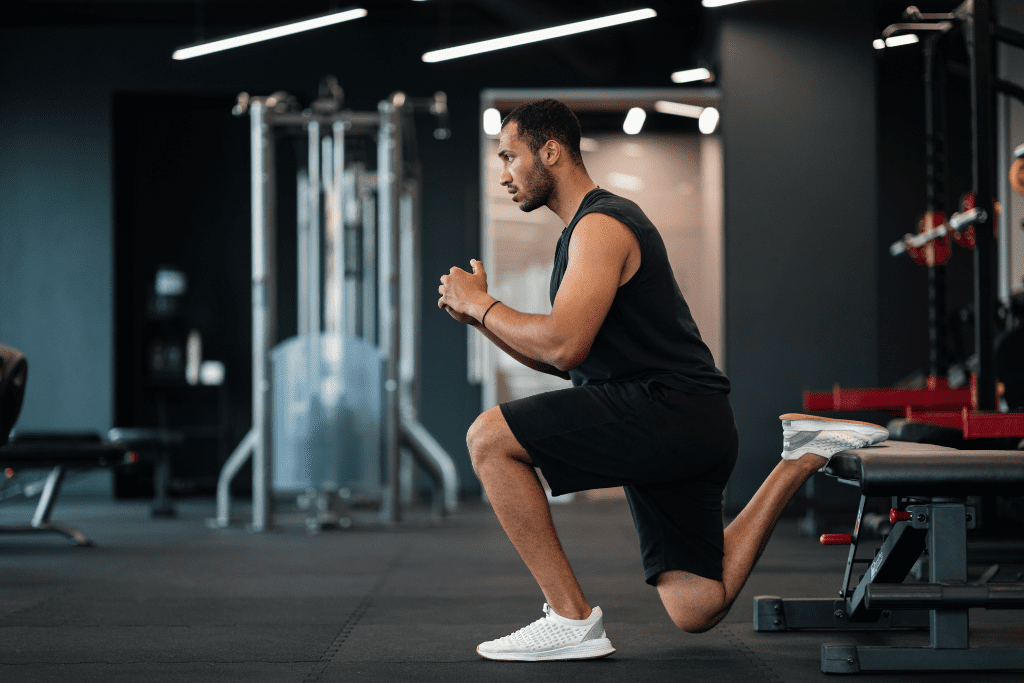
Body weight offers a narrow view of health, it reflects gravity acting on bone, muscle, fat, water, and organs combined, without separating what each contributes, a person can lose weight while losing muscle, or gain weight while building strength, the number on a scale cannot distinguish between these outcomes, this is why fitness professionals increasingly recommend goals that measure function, capacity, and wellbeing instead of a single figure.
Strength and Functional Capacity
Muscular strength supports daily movement, posture, balance, and injury prevention, unlike weight, strength can be measured through specific, repeatable benchmarks, tracking these benchmarks over months shows real physical progress that a scale cannot capture.
| Marker | What It Measures | Example Test |
|---|---|---|
| Grip strength | Overall muscular capacity | Hand dynamometer reading |
| Push strength | Upper body pressing power | Push-up repetitions to failure |
| Pull strength | Back and arm pulling power | Pull-up or row repetitions |
| Lower body strength | Leg and hip power | Squat repetitions or load lifted |
| Core stability | Trunk control | Plank hold duration |
Recording these numbers on a weekly or monthly basis gives a clearer picture of physical improvement, a person may see their squat load increase steadily while their body weight stays the same, this reflects a genuine gain in muscular capacity, strength also correlates with longevity, researchers have repeatedly linked higher muscular strength to lower rates of all cause mortality, independent of body weight.
Cardiovascular Endurance and Heart Health
Cardiovascular fitness relates to how efficiently the heart and lungs deliver oxygen to working muscles, this can be tracked through resting heart rate, heart rate recovery after exercise, and estimated aerobic capacity, a lower resting heart rate generally signals a stronger, more efficient heart, heart rate recovery, meaning how quickly the pulse drops after intense activity, is another reliable indicator of cardiovascular conditioning, a faster recovery rate within the first minute after exercise is associated with better heart health outcomes, aerobic capacity, sometimes estimated through timed runs or step tests, reflects how well the body uses oxygen during sustained effort, improving this capacity reduces strain on the heart during everyday tasks such as climbing stairs or carrying groceries.
Mobility and Flexibility
Joint mobility and muscular flexibility affect how the body moves through space, limited mobility in the hips, shoulders, or spine can restrict daily activities and increase injury risk, tracking mobility involves simple range of motion tests, such as touching the toes without bending the knees, reaching both arms overhead without arching the lower back, or rotating the torso fully to each side, improvements in these ranges often happen gradually, and they rarely show up on a scale, yet they directly affect quality of life, particularly as the body ages and joint stiffness becomes more common.
Sleep Quality and Recovery
Sleep plays a direct role in physical recovery, hormone regulation, and overall training results, poor sleep has been linked to increased hunger hormones, reduced muscle repair, and slower metabolic function, tracking sleep as a fitness goal involves monitoring total hours slept, time to fall asleep, and number of nighttime awakenings, wearable devices can estimate sleep stages, though even simple journaling of bedtime and wake time provides useful information, a person working toward consistent seven to nine hours of sleep per night is pursuing a health goal that supports every other area of fitness, including strength gains, fat loss, and mental clarity.
Energy Levels and Daily Function
Sustained energy throughout the day is a practical measure of fitness that scales cannot reflect, a person who exercises regularly often reports fewer afternoon energy crashes, better focus at work, and less fatigue during routine tasks, this can be tracked through a simple daily rating, on a scale from one to ten, noting energy levels at set points during the day, morning, midday, and evening, over several weeks, this creates a picture of how training, nutrition, and sleep are affecting daily function, rising energy scores often precede visible physical changes, making this an early and motivating indicator of progress.
Mental Health and Mood
Regular physical activity has been consistently associated with reduced symptoms of anxiety and depression, improved mood, and better stress management, tracking mental health alongside physical training can involve mood journaling, standardized questionnaires such as the PHQ-9 for depression or GAD-7 for anxiety, or simple self-rated stress scores, these tools give a numeric, trackable way to observe emotional wellbeing over time, exercise also influences the release of endorphins, serotonin, and dopamine, chemicals involved in mood regulation, a person pursuing fitness for mental health reasons may find these emotional markers more meaningful than any change in body weight.
Body Composition Beyond Weight
Body composition refers to the ratio of fat mass to lean mass within the body, two people at the same weight can have very different compositions, one with higher muscle mass and lower fat, another with the reverse, methods for tracking composition include skinfold calipers, bioelectrical impedance scales, and more precise tools such as DEXA scans, waist circumference measurement is also a simple, low cost method, since excess abdominal fat is linked to higher health risk, tracking composition instead of weight alone allows a person to see that muscle is being gained even if the scale stays static, this distinction is particularly important during strength training programs, where muscle gain can offset fat loss on the scale.
Tracking Progress With Non-Scale Markers
Combining several of these measures gives a fuller picture of fitness progress than weight alone, the following structure shows how different markers can be tracked together over a consistent period.
| Category | Marker | Frequency of Tracking |
|---|---|---|
| Strength | Push-up or squat repetitions | Every two weeks |
| Endurance | Resting heart rate | Daily |
| Mobility | Range of motion tests | Monthly |
| Sleep | Hours slept, awakenings | Nightly |
| Energy | Self-rated energy score | Daily |
| Mood | Stress or mood rating | Weekly |
| Composition | Waist circumference | Monthly |
Using a structure like this allows a person to observe improvement across multiple systems of the body, rather than fixating on a single number that fluctuates due to water retention, digestion, or hormonal changes.
Long Term Outlook
Fitness goals built around function, energy, sleep, mood, and physical capacity tend to be more sustainable than goals built around weight alone, they reflect how the body performs and feels, rather than how much it weighs, over time, these markers also tend to predict long term health outcomes more reliably than body weight, including reduced risk of cardiovascular disease, improved metabolic health, and better maintenance of independence in older age, shifting attention toward these measures gives a more accurate, and more motivating, reflection of what regular physical activity actually accomplishes.

Albert Mckennie is a strength and conditioning coach, author, and speaker with experience training athletes and general fitness clients.