


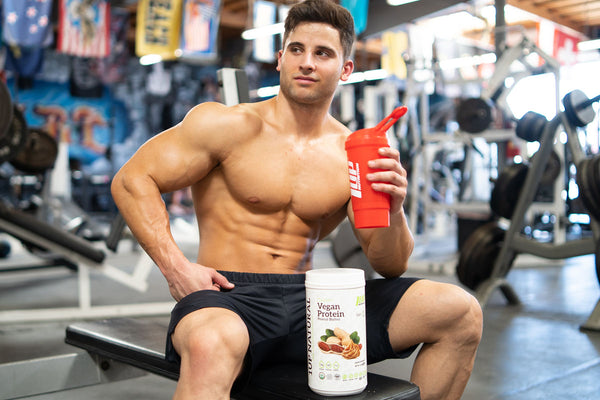

Research consistently shows that muscles and the nervous system improve during recovery, not just during workouts, for most people lifting 2–4 times per week with progressive overload, proper recovery, and adequate nutrition is enough to build significant strength while reducing the risk of overtraining.
Why You Don’t Need to Lift Every Day
Strength gains come from two main adaptations:
- Your nervous system becomes better at recruiting muscle fibers.
- Your muscles repair and grow stronger after training.
Both processes require rest. Training the same muscles every day without enough recovery can slow progress, increase fatigue, and raise the risk of injury.
Quality training sessions almost always outperform simply increasing workout frequency.
How Often Should You Lift for Strength?
The ideal training frequency depends on your experience level.
Beginners
Train 2–3 days per week.
Full-body workouts provide enough practice with key movement patterns while allowing plenty of recovery between sessions.
Intermediate Lifters
Train 3–4 days per week.
Splitting workouts into upper/lower or push/pull routines helps increase training volume without excessive fatigue.
Advanced Lifters
Train 4–6 days per week, but each muscle group still benefits from recovery before being trained intensely again.
Even experienced athletes schedule lighter days and recovery periods.
Focus on Compound Exercises
If you’re not lifting daily, every workout should count.
Prioritize compound movements that work multiple muscle groups at once, including:
- Squats
- Deadlifts
- Bench press
- Overhead press
- Pull-ups
- Rows
These exercises stimulate more muscle mass and improve overall strength more efficiently than isolation exercises alone.
Progressive Overload Matters More Than Frequency
The biggest driver of strength gains is progressive overload.
This means gradually increasing one or more of the following:
- Weight lifted
- Number of repetitions
- Number of sets
- Training quality
- Exercise difficulty
Even if you only lift three times each week, consistently progressing over time produces excellent results.
Recovery Is Part of Strength Training
Your body becomes stronger between workouts.
To maximize recovery:
- Sleep 7–9 hours each night.
- Eat enough protein throughout the day.
- Stay hydrated.
- Manage stress.
- Take rest days seriously.
Skipping recovery often limits strength gains more than skipping an extra workout.
Example 3-Day Strength Routine
A simple schedule can produce impressive results.
Monday
- Squat
- Bench Press
- Row
- Plank
Wednesday
- Deadlift
- Overhead Press
- Pull-Up or Lat Pulldown
- Farmer’s Carry
Friday
- Front Squat
- Incline Bench Press
- Romanian Deadlift
- Core Exercises
This schedule gives every muscle group enough stimulation while providing recovery between sessions.
Use Active Recovery on Rest Days
Rest days don’t have to mean doing nothing.
Helpful activities include:
- Walking
- Stretching
- Mobility exercises
- Light cycling
- Yoga
Active recovery improves blood flow, reduces stiffness, and prepares your body for the next workout.
Common Mistakes That Slow Strength Gains
Avoid these habits:
- Training to failure every workout
- Changing exercises too often
- Ignoring recovery
- Not eating enough protein
- Lifting with poor technique
- Increasing weight too quickly
Consistency is far more important than constantly pushing to exhaustion.
Signs You’re Recovering Well
Good recovery usually includes:
- Steady strength improvements
- Minimal lingering soreness
- Consistent energy levels
- Quality sleep
- Motivation to train
If performance keeps declining despite frequent workouts, you may benefit from more recovery rather than more training.
Frequently Asked Questions
Can I build strength lifting only three days a week?
Yes. Three well-structured workouts per week are enough for most people to make consistent strength gains.
Will I lose progress on rest days?
No. Rest days are when your muscles repair and your body adapts to training. Proper recovery supports long-term strength improvements.
Is daily lifting bad?
Not necessarily. Advanced athletes may train daily by varying intensity and muscle groups, but most people achieve excellent results without lifting every day.
How long does it take to get stronger?
Beginners often notice measurable strength gains within 4–8 weeks when following a progressive program and recovering well.