


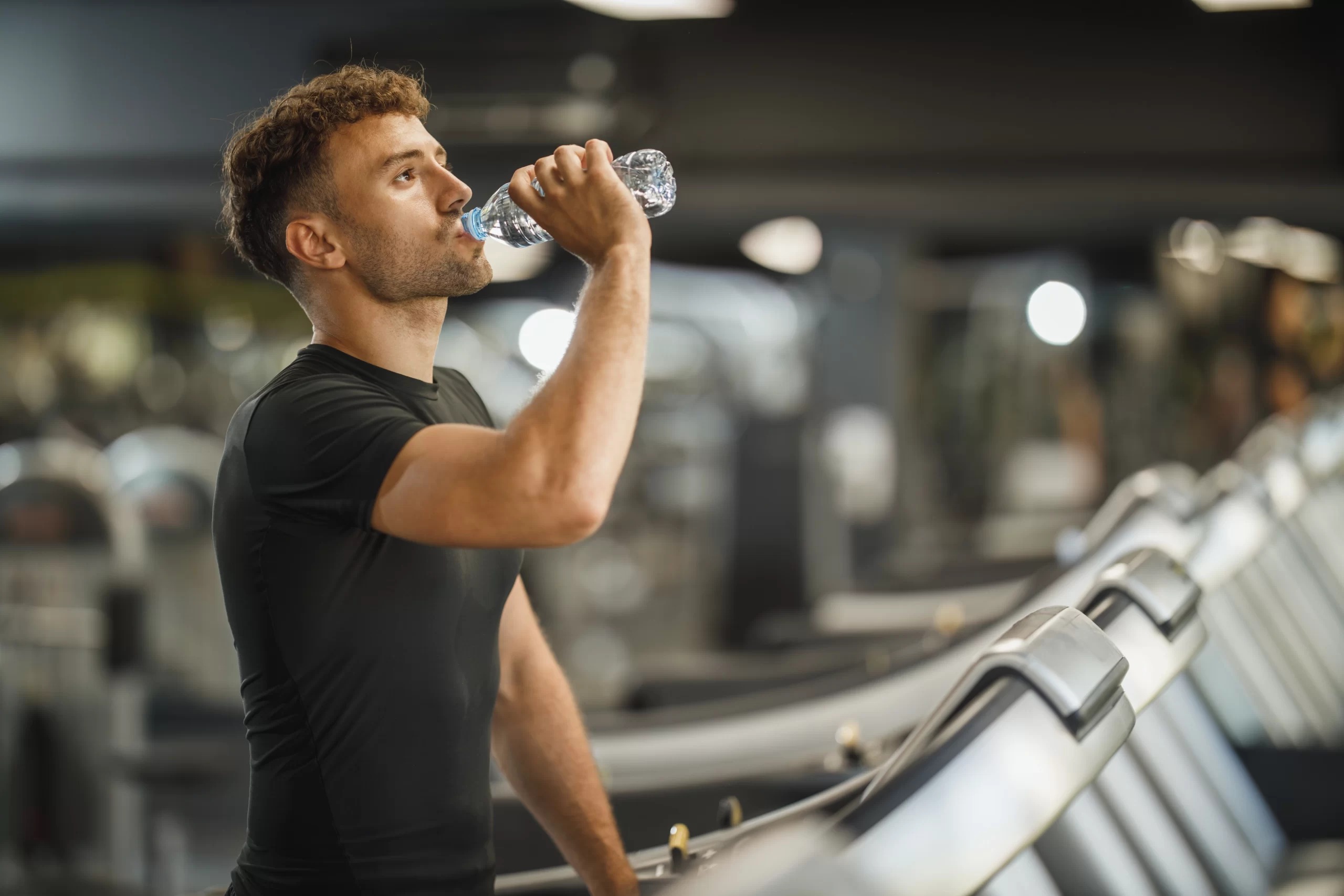

Staying properly hydrated before, during, and after exercise helps maintain endurance, strength, coordination, and recovery, water regulates body temperature, transports nutrients, lubricates joints, and supports muscle function, even mild dehydration can reduce physical performance, increase fatigue, and make workouts feel more difficult.
Hydration During Exercise
Water makes up around 60% of the human body and plays a role in nearly every physiological process, during exercise your body loses fluids through sweat to regulate temperature, as fluid loss increases, blood volume decreases, forcing your heart to work harder to deliver oxygen and nutrients to working muscles.
Without enough fluids, you may experience:
- Reduced endurance
- Earlier muscle fatigue
- Increased heart rate
- Poor concentration
- Slower reaction time
- Higher risk of heat-related illness
Maintaining hydration helps your body perform efficiently, especially during prolonged or high-intensity workouts.
Start Hydrating Before Your Workout
One of the biggest hydration mistakes is waiting until exercise begins to drink water. Starting your workout already dehydrated can negatively affect performance from the first few minutes.
Good pre-workout hydration habits include:
- Drinking water consistently throughout the day.
- Having 16–20 ounces (475–600 ml) of water about two to three hours before exercise.
- Drinking another 8–10 ounces (240–300 ml) about 20–30 minutes before your workout if needed.
This gives your body time to absorb fluids while avoiding discomfort during exercise.
Drink Regularly Instead of Waiting for Thirst
Thirst is a useful signal, but it often appears after mild dehydration has already begun.
Instead of relying solely on thirst:
- Take small sips every 15–20 minutes during longer workouts.
- Increase fluid intake in hot or humid conditions.
- Adjust your hydration based on workout intensity and sweat rate.
Frequent, moderate drinking is generally more comfortable than consuming large amounts all at once.
Replace Fluids Lost Through Sweat
Sweat rates vary widely between individuals. Some people lose less than half a liter per hour, while others lose well over one liter during intense exercise.
To estimate your sweat loss:
- Weigh yourself before exercise.
- Exercise for one hour.
- Weigh yourself again afterward.
- Every pound (0.45 kg) lost represents roughly 16–24 ounces (475–710 ml) of fluid that should be replaced.
Knowing your sweat rate allows you to personalize your hydration strategy.
Don’t Forget Electrolytes
Water isn’t the only thing your body loses during exercise. Sweat also contains electrolytes such as:
- Sodium
- Potassium
- Magnesium
- Chloride
For workouts lasting less than an hour, water is usually enough.
For longer endurance sessions, intense training, or exercise in hot weather, beverages containing electrolytes can help replace sodium losses and maintain fluid balance.
Monitor the Color of Your Urine
A simple way to assess hydration is by checking urine color.
Generally:
- Pale yellow indicates good hydration.
- Dark yellow or amber may suggest you need more fluids.
- Completely clear urine may indicate overhydration if it occurs consistently.
This quick daily check can help you adjust your fluid intake before workouts.
Eat Water-Rich Foods
Hydration doesn’t come only from beverages.
Many fruits and vegetables contain high amounts of water, including:
- Watermelon
- Cucumbers
- Strawberries
- Oranges
- Tomatoes
- Lettuce
- Celery
Including these foods in your meals supports hydration while providing vitamins, minerals, and antioxidants.
Rehydrate After Exercise
Recovery begins as soon as your workout ends.
After exercising:
- Drink enough fluids to replace sweat losses.
- Eat a balanced meal containing protein and carbohydrates.
- Include sodium if you’ve sweated heavily.
Proper post-workout hydration supports muscle recovery, replenishes fluid stores, and prepares your body for the next training session.
Adjust Hydration for Weather Conditions
Environmental conditions greatly affect fluid needs.
You may require additional fluids when:
- Exercising outdoors in hot temperatures
- Training in humid climates
- Working out at high altitude
- Wearing heavy athletic gear
- Performing long-duration endurance events
Listening to your body’s signals while adapting to your environment helps reduce dehydration risk.
Avoid Drinking Too Much Water
Although dehydration is more common, excessive water intake can also be harmful. Drinking far beyond your body’s needs may dilute blood sodium levels, a condition known as hyponatremia.
To stay safe:
- Drink according to your sweat rate.
- Replace electrolytes during prolonged exercise.
- Avoid forcing large amounts of water when you aren’t thirsty.
Balance is the key to effective hydration.
Build Daily Hydration Habits
Consistent habits make hydration effortless.
Try these strategies:
- Carry a reusable water bottle.
- Drink a glass of water with every meal.
- Set reminders if you often forget to drink.
- Increase fluids during hot weather.
- Begin every workout well hydrated.
- Replace fluids after each training session.
Small daily actions often produce the biggest improvements in long-term performance.
Common Hydration Mistakes
Many exercisers unknowingly reduce their performance by making avoidable mistakes, including:
- Waiting until they’re thirsty.
- Drinking very little before workouts.
- Ignoring electrolyte replacement during long sessions.
- Consuming large amounts of water immediately before exercise.
- Forgetting to rehydrate after training.
Correcting these habits can noticeably improve energy levels and workout quality.
Frequently Asked Questions
How much water should I drink before exercise?
A general guideline is 16–20 ounces (475–600 ml) two to three hours before exercise, followed by 8–10 ounces (240–300 ml) about 20–30 minutes before activity if needed.
Is water enough for every workout?
Water is sufficient for most workouts lasting under an hour. Longer, high-intensity, or endurance sessions may benefit from beverages containing electrolytes.
Can dehydration reduce exercise performance?
Yes. Even mild dehydration can lower endurance, increase fatigue, reduce strength, and impair concentration during physical activity.
What is the easiest way to know if I’m hydrated?
Pale yellow urine, steady energy levels, and consistent fluid intake throughout the day are practical indicators of good hydration.