


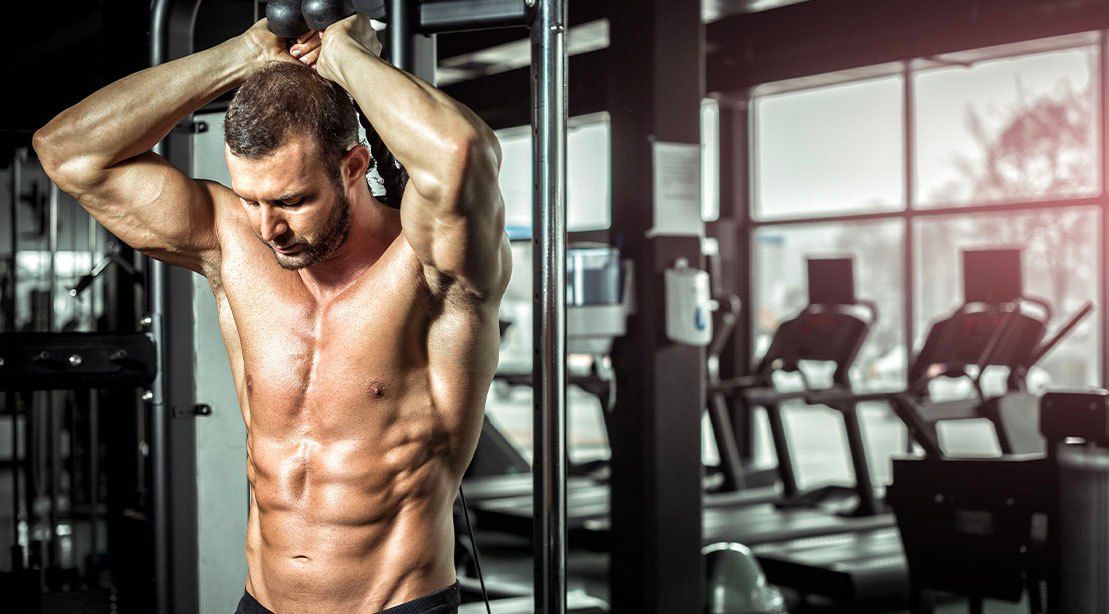
Isolation exercises target a single joint and a single muscle group, allowing focused development that broader lifts cannot achieve on their own, while multi-joint lifts such as squats, deadlifts, and presses build overall strength and coordination across several muscles at once, isolation work fills the gaps those larger lifts leave behind, giving every muscle the direct attention it needs to grow evenly and function well, this article explains why isolation training deserves a place in every serious training plan, which muscles benefit most, and how to fit these exercises into a weekly routine without overtraining or wasting time.
The Role of Isolation Training
A multi-joint lift, like a bench press, recruits the chest, shoulders, and triceps together, this efficiency is valuable, but it also means no single muscle receives full, undivided effort, an isolation exercise, like a triceps pushdown or a chest fly, removes the assistance of neighboring muscles and places the entire workload on one target, this direct approach allows a lifter to correct weaknesses, address muscular imbalances, and build size in areas that lag behind during compound training, without isolation work, smaller or weaker muscles often remain underdeveloped simply because they are never asked to work alone.
Benefits That Compound Lifts Cannot Provide
Isolation training offers several advantages that compound lifts, by their very nature, cannot deliver on their own, first, it allows correction of left to right imbalances, since each limb can be trained independently, second, it reduces the chance of one strong muscle taking over the work meant for a weaker one, third, it permits safer training around an injury, since a person recovering from a shoulder issue, for example, can still train the biceps or the calves without added stress, fourth, isolation exercises allow a longer time under tension for the target muscle, since fatigue from supporting muscles does not end the set early, fifth, these exercises are useful for refining the finishing touches on physique, such as shaping the side deltoid or defining the calf, areas that respond poorly to general pressing or pulling movements alone.
Isolation Exercises by Muscle Group
Below is a breakdown of major muscle groups and the isolation exercises best suited to each one, along with the equipment typically used.
Chest
- Cable fly, using a cable machine to bring the arms together in front of the body
- Dumbbell fly, performed lying on a flat or inclined bench
- Pec deck machine, which mimics the fly movement with fixed resistance
Back
- Straight arm pulldown, isolating the lats without involving the biceps
- Single arm cable row with the elbow fixed close to the torso to reduce shoulder involvement
Shoulders
- Lateral raise, targeting the middle deltoid
- Front raise, targeting the front deltoid
- Rear delt fly, targeting the rear deltoid and upper back
- Face pull, useful for shoulder health and the rear deltoid together
Arms
- Biceps curl, in its many variations including barbell, dumbbell, and cable
- Triceps pushdown and overhead triceps extension, both isolating the triceps
- Wrist curl and reverse wrist curl, targeting the forearms
Legs
- Leg extension, isolating the quadriceps
- Leg curl, isolating the hamstrings
- Calf raise, isolating the calves
- Hip adduction and hip abduction machines, targeting the inner and outer thigh
Core
- Cable crunch, isolating the abdominal muscles under load
- Weighted side bend, targeting the oblique muscles
This list shows that nearly every major muscle group has a dedicated isolation option, and a well-rounded training plan draws from each category based on individual goals and weaknesses.
Programming Isolation Work Into a Routine
Isolation exercises are most effective when placed after compound lifts in a workout, since compound lifts demand the highest levels of strength and coordination, they should be performed first while energy is highest, isolation exercises can then follow to finish off the target muscle with focused volume, a typical upper body session might begin with a bench press, move to an overhead press, then finish with lateral raises and triceps pushdowns, this order preserves strength for the heavier lifts while still allowing full effort on the smaller movements.
Repetition ranges for isolation exercises generally sit higher than those used for compound lifts, since the reduced joint involvement and lighter loads allow more repetitions without breakdown in control, a common range is twelve to twenty repetitions per set, performed for two to four sets, rest between sets is shorter than with heavy compound lifts, typically thirty to sixty seconds, since the muscle group involved is smaller and recovers faster.
Frequency also differs from compound training, since isolation exercises place less overall stress on the body, a muscle group can often be trained with isolation work two to three times per week without excessive fatigue, this frequency supports steady growth while still allowing recovery between sessions.
Isolation Training for Injury Recovery and Rehabilitation
Isolation exercises hold particular value during rehabilitation, since they allow a single muscle or joint to be strengthened without loading the surrounding structures, a physical therapist working with a knee injury, for example, may prescribe isolated quadriceps extensions at a controlled range before reintroducing full squatting movements, this graded approach reduces the risk of reinjury while restoring strength methodically, the same principle applies to shoulder, ankle, and elbow injuries, where isolation exercises serve as a bridge back to full functional training.
Isolation Training for Aesthetic and Functional Goals
Bodybuilders have long relied on isolation exercises to sculpt individual muscles for competition, since judges evaluate the shape and separation of each muscle group, isolation work becomes essential for building a side deltoid that stands apart from the front and rear heads, or calves that show clear definition, athletes in other sports also benefit, since isolated strength in stabilizing muscles, such as the rotator cuff or the hip abductors, supports better performance and reduces the likelihood of injury during sport specific movements.
Balancing Isolation and Compound Training
A training plan built entirely on isolation exercises misses the strength and coordination benefits that compound lifts provide, and a plan built entirely on compound lifts risks leaving smaller muscles underdeveloped, the most effective approach combines both, using compound lifts as the foundation of a session and isolation exercises as the refinement, this combination builds overall strength while still addressing every muscle individually, resulting in a physique and a body that functions well in both daily life and athletic performance.
Isolation exercises complete a workout by reaching muscles that compound lifts leave partially trained, by correcting imbalances, supporting injury recovery, and refining physique, these exercises earn their place alongside the larger, more demanding lifts, a training plan that includes both approaches offers the most complete path toward strength, symmetry, and long term muscular health.

Albert Mckennie is a strength and conditioning coach, author, and speaker with experience training athletes and general fitness clients.