


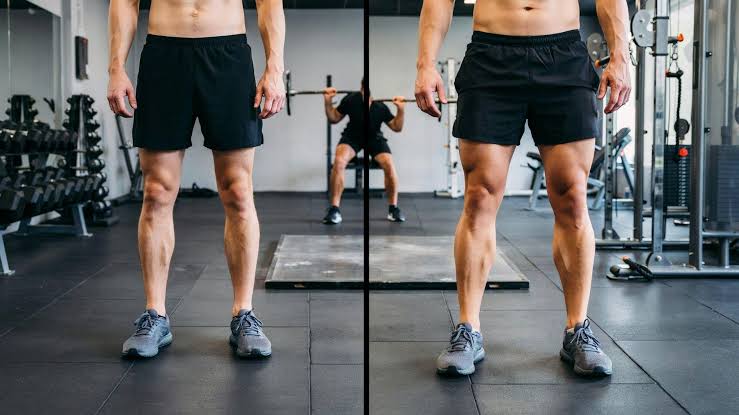

Small adjustments to daily habits often have a greater impact on long-term fitness than dramatic overhauls, consistently improving sleep, nutrition, movement, recovery, and overall health while making it easier to maintain results.
Tiny improvements may seem insignificant on a single day, but they compound over weeks and months.
1. Walk More Throughout the Day
Exercise sessions are important, but what you do during the rest of the day matters too.
Adding extra walking can:
- Increase daily calorie burn
- Improve heart health
- Support weight management
- Reduce time spent sitting
- Boost energy and mood
Simple ways to walk more include:
- Taking the stairs
- Parking farther away
- Walking during phone calls
- Going for a 10-minute walk after meals
These short walks quickly add up.
2. Prioritize Protein at Every Meal
Protein supports muscle repair, recovery, and fullness after eating.
Good protein sources include:
- Chicken
- Fish
- Eggs
- Greek yogurt
- Cottage cheese
- Beans
- Lentils
- Tofu
Including protein with each meal also helps preserve muscle during weight loss.
3. Improve Sleep by Just 30 Minutes
Sleep is one of the most overlooked parts of fitness.
An extra half hour of quality sleep may help:
- Improve workout performance
- Increase recovery
- Balance hunger hormones
- Support muscle growth
- Reduce fatigue
Aim for a consistent bedtime instead of trying to “catch up” on weekends.
4. Focus on Progressive Overload
You don’t need to completely change your workout every week.
Instead, gradually increase one training variable such as:
- Weight
- Repetitions
- Sets
- Time under tension
- Exercise quality
Small improvements create steady strength gains while lowering injury risk.
5. Drink More Water
Even mild dehydration can reduce physical performance.
Try to:
- Carry a reusable water bottle
- Drink water before workouts
- Replace sugary drinks with water
- Drink consistently throughout the day
Proper hydration also supports recovery and temperature regulation.
6. Never Skip the Warm-Up
Five to ten minutes of preparation can improve the quality of your workout.
A good warm-up helps:
- Increase blood flow
- Improve joint mobility
- Activate muscles
- Reduce injury risk
- Improve exercise technique
Dynamic stretches and light movement are usually more effective than static stretching before exercise.
7. Train Consistently Instead of Perfectly
Many people quit because they miss one workout.
Remember:
Three good workouts every week for a year produce far better results than one perfect week followed by several inactive months.
Consistency always beats perfection.
8. Eat More Whole Foods
Replacing highly processed foods with whole foods naturally improves nutrition.
Examples include:
- Fruits
- Vegetables
- Whole grains
- Lean proteins
- Nuts
- Seeds
- Legumes
Whole foods typically provide more vitamins, minerals, and fiber while helping you stay satisfied longer.
9. Improve Your Exercise Technique
Better form often delivers better results than lifting heavier weights.
Proper technique helps:
- Target the correct muscles
- Improve strength gains
- Reduce unnecessary strain
- Lower injury risk
Slowing down each repetition often improves movement quality.
10. Add Short Mobility Sessions
Five to ten minutes of mobility work can improve flexibility and movement efficiency.
Focus on:
- Hips
- Shoulders
- Ankles
- Thoracic spine
Improved mobility may make strength training and daily activities feel easier.
11. Track Your Progress
Progress isn’t always visible in the mirror.
Keep track of:
- Workout weights
- Repetitions
- Walking distance
- Body measurements
- Energy levels
- Sleep quality
Seeing gradual improvements helps maintain motivation.
12. Reduce Liquid Calories
Sugary drinks, specialty coffees, and alcohol can add hundreds of calories without providing much fullness.
Replacing some of these beverages with water or unsweetened alternatives can support weight management without drastically changing your diet.
13. Don’t Rush Your Meals
Eating more slowly gives your body time to recognize fullness.
Benefits include:
- Better digestion
- Improved portion control
- Greater meal satisfaction
- Reduced overeating
Taking your time during meals is a simple habit that supports healthy eating.
14. Schedule Your Workouts
Treat exercise like an important appointment.
Planning workouts ahead of time makes it less likely you’ll skip them when life gets busy.
Even 20 to 30 minutes of planned exercise is better than waiting for the “perfect” time.
15. Celebrate Small Wins
Fitness is built through thousands of small decisions.
Celebrate achievements such as:
- Completing another workout
- Lifting slightly heavier weights
- Walking more steps
- Drinking enough water
- Choosing healthier meals
These milestones reinforce habits that lead to lasting success.
Why Small Changes Work So Well
Small habits are easier to maintain because they don’t require major lifestyle changes. As these behaviors become automatic, they create a foundation for healthier choices and continued progress.
Rather than relying on short bursts of motivation, small improvements help build routines that support long-term fitness goals. Over time, these consistent actions often produce better results than extreme diets or intense workout plans that are difficult to sustain.
Frequently Asked Questions
What is the smallest fitness habit that makes a big difference?
Walking more each day, getting enough sleep, drinking more water, and eating adequate protein are among the simplest habits that can significantly improve overall fitness when practiced consistently.
How long does it take to see results from small fitness changes?
Many people notice improvements in energy, mood, and workout performance within a few weeks. Visible changes in strength, endurance, or body composition often become more noticeable after several months of consistent habits.
Is consistency more important than workout intensity?
Yes. Consistent exercise performed several times each week generally produces better long-term results than occasional high-intensity workouts followed by long breaks.
Can small changes help with weight loss?
Absolutely. Walking more, reducing sugary drinks, eating more whole foods, improving sleep, and maintaining regular exercise can collectively create meaningful progress toward healthy weight management.