


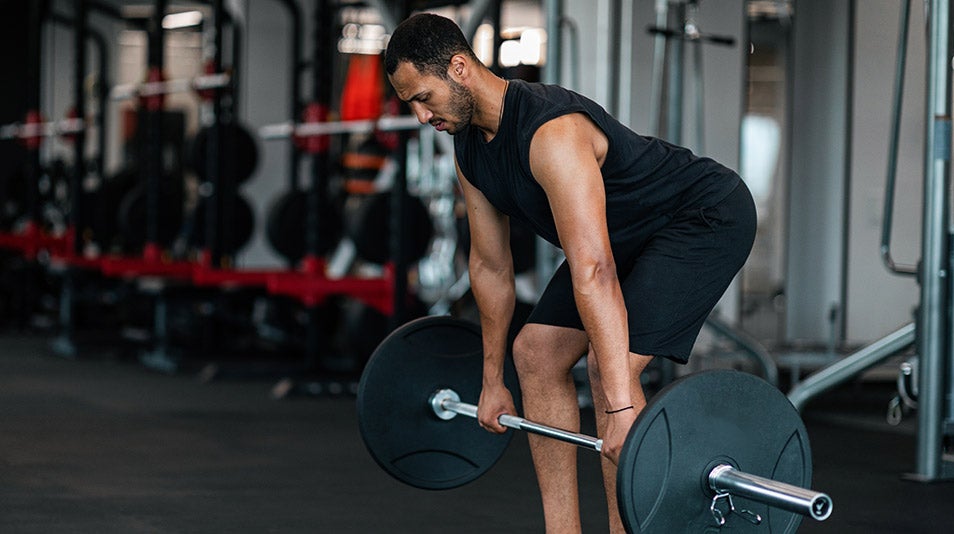
Compound exercises are multi-joint movements that train several muscle groups at the same time, making them one of the most effective ways to build strength, increase muscle mass, and improve overall fitness, exercises like squats, deadlifts, bench presses, and rows allow you to lift heavier weights and stimulate more muscles than isolation exercises, helping you gain strength more efficiently.
What Are Compound Exercises?
Compound exercises involve movement at two or more joints while recruiting multiple muscle groups simultaneously. Instead of targeting a single muscle, they train the body to work as one coordinated unit.
For example:
- A squat works your quadriceps, hamstrings, glutes, core, and lower back.
- A pull-up trains your back, biceps, shoulders, and forearms.
- A bench press targets your chest, shoulders, and triceps.
Because more muscles are involved, compound lifts generally burn more calories, improve athletic performance, and build functional strength.
Why Compound Exercises Build Strength Faster
Strength develops through progressive overload—gradually increasing the demands placed on your muscles.
Compound movements make this process easier because they allow you to:
- Lift heavier weights safely.
- Recruit more muscle fibers.
- Improve coordination between muscles.
- Strengthen connective tissues and joints.
- Train multiple muscles in a single exercise.
Instead of performing several isolation movements, one compound lift can stimulate nearly your entire body.
The Best Compound Exercises for Strength Gains
1. Barbell Back Squat
The back squat is widely considered one of the most effective strength-building exercises.
It develops:
- Quadriceps
- Glutes
- Hamstrings
- Core
- Lower back
How to perform it:
- Position the bar across your upper back.
- Stand with feet shoulder-width apart.
- Brace your core.
- Lower until your thighs are parallel to the floor.
- Drive through your heels to stand.
Best for:
- Lower-body strength
- Athletic performance
- Muscle growth
2. Conventional Deadlift
The deadlift trains nearly every major muscle group in your body.
Primary muscles:
- Hamstrings
- Glutes
- Lower back
- Upper back
- Core
- Forearms
Benefits include:
- Increased total-body strength
- Improved grip strength
- Better posture
- Enhanced posterior chain development
Focus on maintaining a neutral spine throughout the movement.
3. Bench Press
The bench press is the gold standard for upper-body pushing strength.
It targets:
- Chest
- Front shoulders
- Triceps
For maximum results:
- Keep your feet firmly planted.
- Retract your shoulder blades.
- Lower the bar with control.
- Press explosively without bouncing the bar.
Both barbell and dumbbell variations are effective.
4. Overhead Press
The standing overhead press develops upper-body strength while challenging your core stability.
Muscles worked:
- Deltoids
- Triceps
- Upper chest
- Core
- Upper back
Unlike seated presses, the standing variation requires your entire body to stabilize the weight.
5. Pull-Ups
Few bodyweight exercises build upper-body strength as effectively as pull-ups.
They strengthen:
- Latissimus dorsi
- Biceps
- Rhomboids
- Rear delts
- Forearms
If standard pull-ups are too difficult, begin with:
- Assisted pull-ups
- Resistance bands
- Negative repetitions
6. Bent-Over Barbell Row
Rows balance pressing movements by strengthening the muscles responsible for pulling.
Benefits include:
- Improved posture
- Stronger upper back
- Better deadlift performance
- Increased pulling power
Avoid using momentum to lift the weight.
7. Romanian Deadlift
The Romanian deadlift emphasizes the posterior chain.
Primary muscles:
- Hamstrings
- Glutes
- Lower back
Keep the movement slow and controlled while maintaining tension throughout the hamstrings.
8. Dips
Parallel bar dips are one of the best compound exercises for developing upper-body pushing strength.
Muscles involved:
- Chest
- Triceps
- Front shoulders
Adding weight over time makes dips an excellent long-term strength builder.
9. Walking Lunges
Walking lunges improve both unilateral strength and balance.
Benefits include:
- Better hip stability
- Improved athletic performance
- Stronger glutes
- Enhanced coordination
Dumbbells or barbells can increase the challenge.
10. Hip Thrust
Hip thrusts primarily target the glutes while also strengthening:
- Hamstrings
- Core
- Lower back
Strong glutes contribute to better sprinting, jumping, squatting, and deadlifting performance.
Compound vs Isolation Exercises
| Compound Exercises | Isolation Exercises |
|---|---|
| Multiple joints move | One joint moves |
| Train several muscles | Focus on one muscle |
| Build overall strength | Improve muscle detail |
| Burn more calories | Lower energy demand |
| Efficient workouts | Useful for weak points |
Isolation exercises still have value, especially for correcting muscle imbalances or adding volume, but compound movements should form the foundation of most strength programs.
How Many Compound Exercises Should You Do?
Most workouts benefit from including 3–5 compound exercises.
A balanced full-body workout could include:
- Squat
- Bench press
- Row
- Romanian deadlift
- Pull-up
After completing your main lifts, you can add a few isolation exercises for specific muscles if desired.
Tips to Maximize Strength Gains
To get the most from compound training:
- Focus on perfect technique before increasing weight.
- Add weight gradually through progressive overload.
- Rest 2–5 minutes between heavy sets.
- Consume enough protein to support muscle recovery.
- Sleep at least 7–9 hours per night.
- Track your lifts to monitor progress.
- Train consistently each week.
Small improvements over time lead to significant long-term strength gains.
Common Mistakes to Avoid
Many lifters slow their progress by making avoidable mistakes.
Watch out for:
- Using weights that are too heavy too soon.
- Sacrificing form for more repetitions.
- Skipping warm-ups.
- Ignoring recovery days.
- Performing too many isolation exercises while neglecting compound lifts.
- Failing to progressively increase training difficulty.
Correcting these habits can lead to faster, safer progress.
Sample Full-Body Compound Workout
Try this routine two or three times per week:
| Exercise | Sets | Reps |
|---|---|---|
| Barbell Back Squat | 4 | 5–8 |
| Bench Press | 4 | 5–8 |
| Bent-Over Row | 3 | 8–10 |
| Romanian Deadlift | 3 | 8 |
| Pull-Ups | 3 | As many as possible |
| Overhead Press | 3 | 6–8 |
Increase the weight when you can complete all prescribed repetitions with proper form.
Frequently Asked Questions
What are compound exercises?
Compound exercises are movements that involve multiple joints and muscle groups working together. Examples include squats, deadlifts, bench presses, rows, pull-ups, and overhead presses.
Are compound exercises better than isolation exercises?
For building overall strength and muscle efficiently, compound exercises are generally more effective because they recruit more muscles and allow heavier loads. Isolation exercises are best used as accessories to target specific muscles or address weak points.
Can beginners start with compound exercises?
Yes. Beginners often benefit the most from learning compound movements early. Starting with light weights and proper technique helps build a strong foundation for long-term progress.
How often should I do compound exercises?
Most people can perform compound exercises two to four times per week, depending on their training split, recovery, and goals. Allow adequate rest between sessions that heavily target the same muscle groups.
Which compound exercise builds the most overall strength?
The squat, deadlift, and bench press are often considered the primary strength-building exercises. Together, they develop nearly every major muscle group and form the basis of many proven strength programs.

Albert Mckennie is a strength and conditioning coach, author, and speaker with experience training athletes and general fitness clients.