


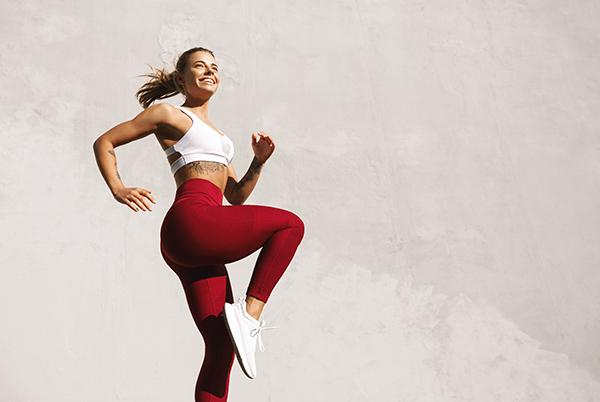
Fitness in 2026 is moving away from short-lived fads, toward habits that support long-term health, strength, and independence, this shift is confirmed by industry leaders who now define a genuine trend as a widely adopted, sustained pattern in participation and practice, rather than a passing spike in popularity, the definition of trend has evolved to signify a widely adopted and sustained pattern in health and fitness participation, professional practice, or industry offerings, unlike fads, trends persist beyond temporary enthusiasm and demonstrate measurable engagement, market presence, or long-term impact, this reframing sets the tone for every exercise approach worth adopting this year.
Strength Training
Cardio once dominated gym culture, but resistance work has taken the leading position, building lean muscle supports metabolism, raises daily energy, and improves overall resilience, without requiring extreme bulk, strength training now stands as a central factor in sustainable weight management, since lean muscle mass burns more calories at rest, keeping results in place long after a workout ends, when strength is combined with high-energy conditioning, a session delivers both fat loss and muscle gain in one efficient block of time.
Functional and Movement-Based Training
Functional fitness has moved from a niche specialty into a cornerstone of exercise guidance, this approach centers on movements that improve everyday tasks such as lifting, twisting, reaching, and balancing, rather than isolating single muscles the way traditional lifting does, functional strength training focuses on exercises that improve performance in everyday movements, using bodyweight, kettlebells, resistance bands, or compound lifts, professionals describe this shift as one supporting independence in older adults, translating strength into everyday capability, and reinforcing the preventive power of exercise, calling it not simply a trend but a cornerstone of exercise prescription.
Below is a simple breakdown of how functional training differs from traditional isolation training, useful for anyone deciding where to place their weekly effort.
| Feature | Traditional Isolation Training | Functional Training |
|---|---|---|
| Focus | Single muscle groups | Multi-joint, whole-body movement |
| Equipment | Machines, fixed cables | Kettlebells, bands, bodyweight |
| Goal | Muscle size, isolated strength | Daily capability, balance, coordination |
| Best suited for | Bodybuilding goals | Aging populations, injury prevention, athletes |
Wearable Technology and Physiological Feedback
Wearable devices continue to hold a leading position among fitness trends, now capturing more advanced signals than step counts alone, wearable technology continues to evolve with advanced biosensors now capturing indicators such as fall or crash detection, and real-time data on heart rate variability and sleep quality is shaping how people train and recover, allowing for adjustments that improve results and reduce injury risk, the challenge for professionals lies in translating complex numbers into clear, actionable guidance for everyday users, in 2026 this use of data is shifting from simple tracking toward full programming, where a workout is built around a person’s physiology and updated as new information arrives, rather than planned around guesswork.
Recovery as a Structured Practice
Recovery has moved from an afterthought into a scheduled, valued part of a weekly routine, professionals now predict that people will treat recovery sessions as fixed appointments on a calendar, with recovery methods forming their own membership tier inside fitness facilities, gyms have responded by building dedicated recovery rooms featuring massage chairs, saunas, and contrast therapy, alongside tools such as compression boots that were once reserved for professional athletes, breathwork has also entered mainstream recovery practice, with simple techniques like nasal breathing used to improve oxygen efficiency, support better sleep, and reduce stress, this combination of rest, breath, and structured downtime is now treated as a performance tool rather than a luxury.
Longevity and Healthy Aging as the Primary Goal
A defining cultural shift in 2026 is the move away from appearance-based goals, toward training built around lifespan and daily function, industry surveys show that longevity and healthy aging have become the fastest-growing client goals, outpacing traditional physique motivations, and signaling a broader move toward healthspan, mobility, and daily wellbeing, this goal now includes power training, interval work, and brain-focused exercise that were once reserved for elite athletes, professionals note that these strategies help people move with confidence, protect cognitive sharpness, and remain fully engaged in daily life as they age, this approach also supports metabolic health, lowering risk for conditions such as type 2 diabetes, cardiovascular disease, and fatty liver disease.
Walking, Reimagined
Walking has re-entered fitness conversation as a structured, trackable practice rather than a passive activity, a method known as Japanese walking, alternating three minutes of brisk pace with three minutes of slower pace, has surged in public interest, tracing back to a 2007 study from Shinshu University researchers in Japan, other walking formats gaining traction include a structured daily walking challenge and a practice combining walking with breath-synced movement drawn from yoga, aimed at improving cardiovascular health, muscle strength, and flexibility while easing stress, walking’s rise also reflects a broader theme in current fitness culture, favoring low-impact, joint-friendly movement that remains sustainable across a full lifetime.
Community and Hybrid Training
Motivation on its own tends to fade, but accountability built through community tends to last, group-based training has returned as a leading approach, since people training alone are more likely to lose consistency, hybrid training has also grown, blending strength, cardio, and mobility into a single program rather than committing to one narrow style, alongside this, adult recreation and sport clubs have entered the list of leading trends, driven largely by the popularity of pickleball and a wider desire for social connection during exercise, group-based events such as multi-discipline fitness races and endurance competitions are also drawing wider participation, appealing to people seeking novelty, identity, and shared challenge rather than physical exertion alone.
Shorter, More Structured Sessions
Time efficiency has become a defining feature of programming this year, shorter sessions are gaining ground, not because they demand less, but because they are built with clear purpose, a well-structured thirty-minute block can raise heart rate, build muscle, and support fat loss without wasting effort, this shift favors quality of programming over sheer duration, letting people sustain a routine around work and family demands without abandoning consistency.
Women’s Health and Specialized Programming
As more women enter midlife, professionals expect women’s health and menopause-related programming to receive far greater attention this year, with tens of millions of women transitioning through menopause annually worldwide, specialized coaching now addresses hormonal shifts directly, alongside corrective exercise and behavior-focused coaching, these specializations are rising alongside longevity work, offering both clear client demand and long-term value for people seeking guidance suited to their stage of life.
Bringing It Together
The overall direction for exercise this year favors sustainability over intensity, structure over guesswork, and daily function over appearance alone, strength training, functional movement, wearable-guided feedback, structured recovery, walking, community-based sessions, and specialized programming for aging and women’s health all point toward one shared aim, helping people move well and stay capable for the long run, choosing even one or two of these approaches, matched to personal goals and current ability, offers a grounded way to build a lasting exercise habit this year.
Albert Mckennie is a strength and conditioning coach, author, and speaker with experience training athletes and general fitness clients.