


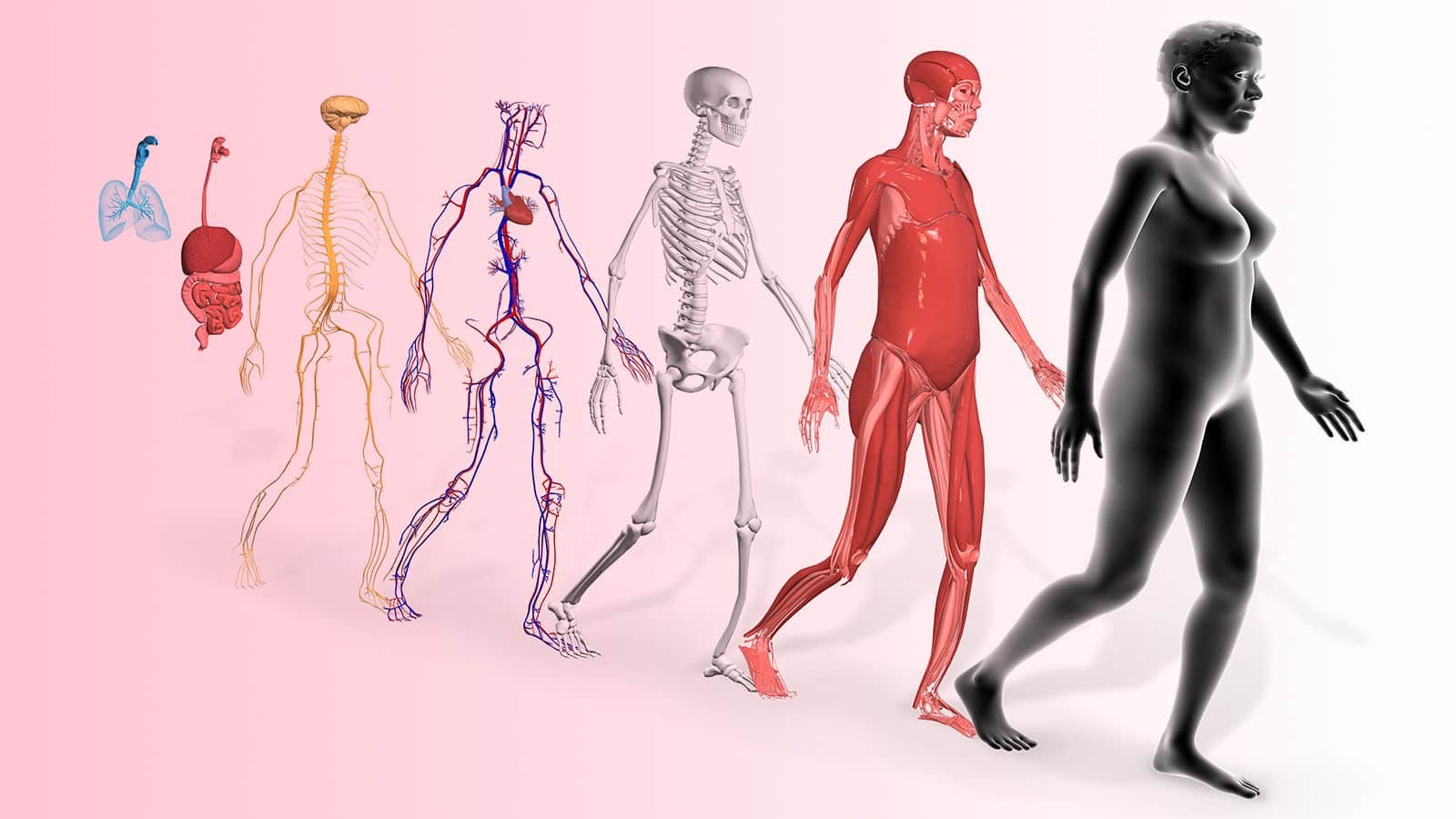

Walking every day improves heart health, strengthens muscles and bones, supports weight management, enhances mental well-being, and lowers the risk of chronic diseases, even 20 to 30 minutes of daily walking can produce measurable health benefits, especially when combined with a healthy lifestyle.
Walking is one of the simplest forms of exercise, yet it delivers impressive health benefits that build over time, unlike high-intensity workouts, walking is accessible to nearly everyone and requires little more than a comfortable pair of shoes.
Your Heart Gets Stronger
One of the first changes your body experiences is improved cardiovascular health. Walking increases your heart rate enough to strengthen the heart muscle and improve blood circulation.
Regular walking may help:
- Lower blood pressure
- Reduce LDL (“bad”) cholesterol
- Increase HDL (“good”) cholesterol
- Improve circulation
- Reduce the risk of heart disease and stroke
Over time, these improvements help your heart work more efficiently while reducing strain on your cardiovascular system.
Your Muscles Become More Active
Walking activates muscles throughout your body, especially in your:
- Calves
- Hamstrings
- Quadriceps
- Glutes
- Hip muscles
- Core
While walking won’t build muscle like heavy strength training, it improves muscular endurance, coordination, and stability. Walking uphill or increasing your pace can further challenge your lower-body muscles.
Your Bones Stay Stronger
Weight-bearing activities such as walking encourage your bones to maintain their density.
Daily walking may:
- Help slow age-related bone loss
- Improve joint mobility
- Reduce stiffness
- Support better balance
Maintaining bone strength becomes increasingly important as people age and wish to reduce the risk of osteoporosis and fractures.
Your Joints Move More Comfortably
Contrary to the myth that exercise wears out joints, regular walking actually helps nourish cartilage by increasing the flow of joint fluid.
Many people notice:
- Less knee stiffness
- Better flexibility
- Improved range of motion
- Reduced discomfort from prolonged sitting
Walking also strengthens the muscles that support major joints, reducing unnecessary stress during everyday movements.
You Burn More Calories
Walking contributes to your daily energy expenditure.
Although calorie burn depends on body weight, speed, and terrain, consistent walking helps create the calorie deficit needed for weight management.
Brisk walking is especially effective because it raises your heart rate while remaining sustainable for long periods.
Your Blood Sugar Becomes Easier to Control
Walking encourages muscles to use glucose for energy, helping regulate blood sugar levels.
Research has shown that walking after meals can:
- Reduce blood sugar spikes
- Improve insulin sensitivity
- Lower the long-term risk of type 2 diabetes
Even a short 10–15 minute walk after eating can make a noticeable difference.
Your Brain Benefits Too
Walking isn’t only good for your body—it also supports brain health.
Daily walks can:
- Improve concentration
- Boost creativity
- Enhance memory
- Increase blood flow to the brain
- Support healthy cognitive aging
Many people find that walking helps them think more clearly and solve problems more effectively.
Your Mood Improves
Physical activity stimulates the release of endorphins and other feel-good chemicals that naturally improve mood.
Regular walking has been associated with:
- Reduced stress
- Lower anxiety
- Improved sleep quality
- Better emotional resilience
- Increased overall happiness
Walking outdoors may provide additional mental health benefits through exposure to nature and sunlight.
Your Immune System Gets Extra Support
Moderate physical activity helps your immune system function more efficiently.
People who walk consistently often experience:
- Better circulation of immune cells
- Lower levels of chronic inflammation
- Reduced risk of certain illnesses
- Faster recovery after minor infections
The key is consistency rather than extreme exercise.
Your Energy Levels Increase
It may seem surprising, but using energy through movement often leads to having more energy throughout the day.
Daily walking improves:
- Oxygen delivery to tissues
- Circulation
- Cardiovascular efficiency
- Overall stamina
Many people report feeling less fatigued after establishing a regular walking routine.
Your Sleep Can Improve
Walking helps regulate your body’s natural sleep-wake cycle while reducing stress that may interfere with quality sleep.
People who walk regularly often experience:
- Falling asleep faster
- Sleeping more deeply
- Feeling more refreshed in the morning
Morning walks that expose you to natural daylight may further support healthy circadian rhythms.
How Much Walking Is Enough?
You don’t need to walk for hours to see benefits.
General recommendations include:
- 20–30 minutes daily for basic health improvements
- 150 minutes per week of moderate-intensity activity for overall health
- 7,000–10,000 steps per day as a practical goal for many adults, though benefits begin well below 10,000 steps
Consistency matters far more than achieving a perfect step count every day.
Tips for Building a Daily Walking Habit
If you’re just getting started, make walking part of your routine by:
- Walking after meals
- Taking phone calls while walking
- Parking farther from entrances
- Using stairs whenever possible
- Scheduling a daily walking break
- Walking with friends or family for accountability
Small habits often become lasting routines when repeated consistently.
Frequently Asked Questions
Is walking every day enough exercise?
For many adults, daily brisk walking provides excellent cardiovascular benefits. Adding strength training at least twice a week creates a more balanced fitness routine.
How long does it take to notice results?
Some people notice improved mood and energy within days. Cardiovascular fitness, endurance, and weight-related changes often become more noticeable after several weeks of regular walking.
Is it okay to walk every day without rest?
Yes. Walking is generally considered a low-impact activity that most healthy individuals can perform daily. If you experience persistent pain or excessive fatigue, reducing intensity or consulting a healthcare professional may be appropriate.