


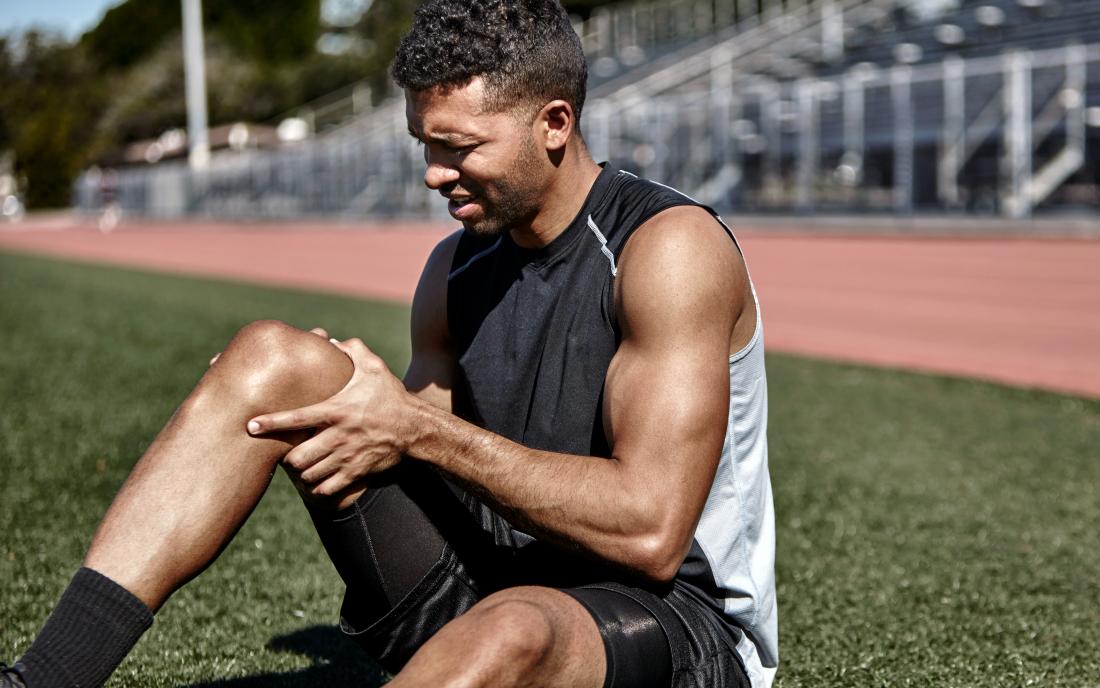
Recovery is the process that allows muscle fibers to repair, energy stores to replenish, and the nervous system to reset after physical exertion, and without it, training gains slow down, injury risk rises, and performance plateaus, many athletes and casual gym-goers focus entirely on the workout itself, believing that effort in the gym is the only variable that counts, but the body adapts and grows stronger during rest, not during the exercise session, understanding where recovery efforts commonly go wrong can help athletes of all levels train smarter and stay injury-free.
Sleep Deprivation and Its Effect on Muscle Repair
Sleep is the single most important recovery tool available, during deep sleep stages, the body releases growth hormone, which plays a central role in tissue repair, protein synthesis, and immune function, cutting sleep short, even by an hour or two, reduces the amount of restorative sleep obtained, and this directly slows muscle recovery, many people underestimate how much sleep debt accumulates over a week of training, leading to chronic fatigue, reduced strength output, and slower reaction times, athletes who train hard but sleep fewer than seven hours per night often see diminishing returns despite consistent effort, prioritizing a consistent sleep schedule, avoiding screens before bed, and keeping the sleeping environment cool and dark all contribute to better recovery outcomes.
Skipping Proper Nutrition Timing
Consuming protein and carbohydrates after a workout supports glycogen replenishment and muscle protein synthesis, many people either skip post-workout nutrition altogether or wait too long before eating, delaying this window reduces the efficiency of recovery, since the body is primed to absorb nutrients most effectively in the hours immediately following exercise, protein intake spread evenly across the day, rather than concentrated in one meal, also supports better muscle repair, athletes who under-eat overall, especially those trying to lose weight while training intensely, often experience slower recovery, weaker performance, and higher injury rates, because the body lacks the raw materials needed for repair.
| Nutrient | Role in Recovery | Common Mistake |
|---|---|---|
| Protein | Muscle repair and rebuilding | Eating too little across the day |
| Carbohydrates | Glycogen replenishment | Avoiding carbs after training |
| Water | Cellular function and joint lubrication | Not replacing fluids lost through sweat |
| Electrolytes | Muscle contraction and nerve signaling | Ignoring sodium and potassium loss |
Ignoring Hydration Needs
Water supports nearly every recovery process in the body, from nutrient transport to joint lubrication, dehydration, even at mild levels, has been shown to reduce strength output, impair concentration, and slow the removal of metabolic waste from muscle tissue, many people only drink water during the workout itself, forgetting that hydration needs continue well after training ends, sweat loss also depletes electrolytes such as sodium and potassium, and replacing only water without these minerals can lead to cramping and sluggish recovery, monitoring urine color, weighing in before and after intense sessions, and drinking consistently throughout the day are practical ways to avoid this mistake.
Overtraining Without Adequate Rest Days
Training every single day without planned rest days is one of the most frequent errors among motivated exercisers, muscles need time between sessions to repair the microscopic damage caused by resistance training, and skipping rest days interrupts this process, leading to a condition known as overtraining syndrome, symptoms include persistent fatigue, elevated resting heart rate, irritability, and a noticeable drop in performance, rest days do not mean complete inactivity, but rather a shift toward lower intensity movement that allows the body to recover while still staying active, a well-structured training plan includes at least one to two full rest days per week, depending on training intensity and experience level.
Neglecting Active Recovery Methods
Active recovery, which includes light activities such as walking, swimming, or gentle cycling, helps increase blood flow to tired muscles without adding additional stress, many people either do nothing on rest days or push through another intense session, both of which can be counterproductive, low intensity movement supports the removal of metabolic byproducts and reduces stiffness, making the following workout more effective, foam rolling and mobility work also fall under this category, and skipping these tools regularly can lead to tightness that eventually limits range of motion and increases injury risk over time.
Ignoring Pain Signals
Distinguishing between normal muscle soreness and pain that signals injury is essential, many athletes push through sharp or persistent pain, assuming it will pass with continued training, this approach often worsens minor injuries into more serious ones, requiring extended time away from training altogether, soreness that fades within a day or two and feels consistent across a muscle group is typically normal, while pain that is localized, sharp, or worsens with movement should prompt a pause in training and, if needed, professional evaluation, listening to these signals early prevents small issues from becoming long-term setbacks.
Overusing Ice and Heat Incorrectly
Ice and heat are both valuable recovery tools, but using them incorrectly can reduce their benefits, applying ice immediately and repeatedly after every workout may actually blunt some of the natural inflammatory response needed for muscle adaptation, research suggests that occasional use for acute injuries is appropriate, but routine icing after every training session is not necessary for most people, heat, on the other hand, works well for loosening tight muscles before activity or easing chronic stiffness, but applying heat to a fresh injury can increase swelling, understanding when to use each method, rather than defaulting to one out of habit, leads to better outcomes.
Consuming Alcohol After Training
Alcohol consumption after intense exercise interferes with several recovery processes, it disrupts sleep quality, reduces protein synthesis, and impairs the body’s ability to rehydrate effectively, many people treat a post-workout drink as a reward, without realizing the impact it has on muscle repair and hormone regulation, even moderate alcohol intake has been shown to blunt the adaptations gained from resistance training, especially when consumed within a few hours of exercise, choosing to limit alcohol, particularly on training days, supports better long-term progress.
Overlooking Mental and Emotional Stress
Physical recovery is closely tied to mental and emotional stress levels, chronic stress raises cortisol levels, which can interfere with sleep quality, appetite regulation, and muscle repair, many training plans focus exclusively on physical variables while ignoring the psychological load a person is carrying, work pressure, poor sleep habits, and emotional strain all compound the effects of physical training stress, incorporating stress management techniques such as breathing exercises, journaling, or simply reducing training intensity during high-stress periods supports more consistent recovery and long-term training success.
Failing to Track Recovery Progress
Many athletes track workouts meticulously but overlook tracking recovery indicators such as resting heart rate, sleep quality, and perceived energy levels, without this information, it becomes difficult to identify early warning signs of inadequate recovery, simple tools such as a daily journal, a fitness tracker, or even a basic notes app can help identify trends over time, noticing a consistent rise in resting heart rate or a drop in motivation can signal the need for additional rest before performance declines significantly, athletes who monitor these indicators are better equipped to adjust their training loads proactively rather than reactively.

Albert Mckennie is a strength and conditioning coach, author, and speaker with experience training athletes and general fitness clients.