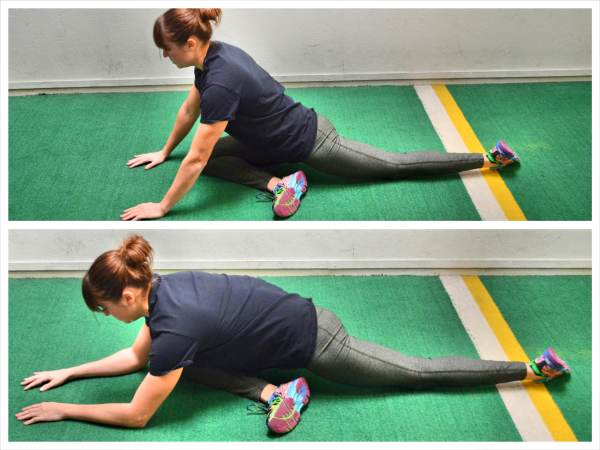

Category Workout

What Your Body Gains From Regular Exercise
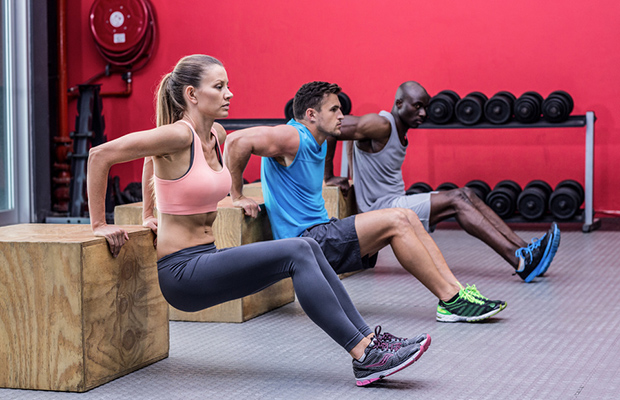
Regular exercise strengthens the heart muscle, increases stroke volume, lowers resting heart rate, improves circulation throughout the arteries and veins, reduces blood pressure over time, raises the levels of high-density lipoprotein known as the good cholesterol, lowers triglycerides, improves the…

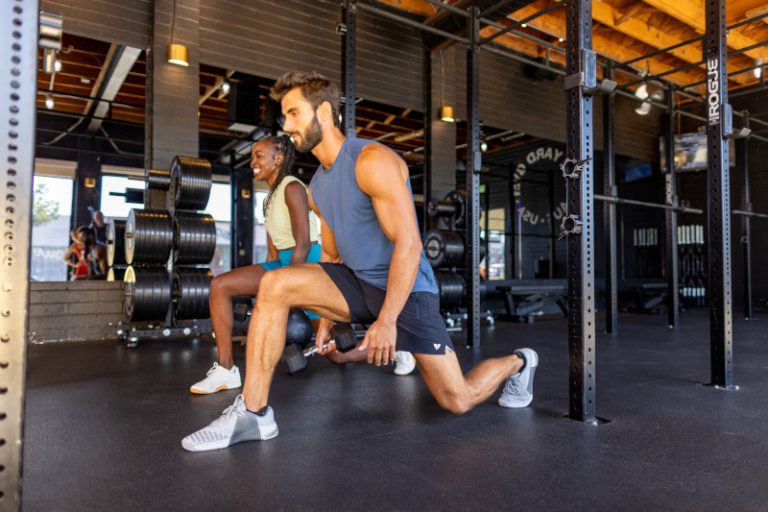
Healthy Habits That Support Better Fitness

Physical fitness develops through consistent daily habits, not through occasional bursts of effort, and understanding which habits produce the strongest results allows a person to build a sustainable and effective lifestyle, one that supports the muscles, the joints, the heart,…

The Best Full-Body Workouts for Busy People

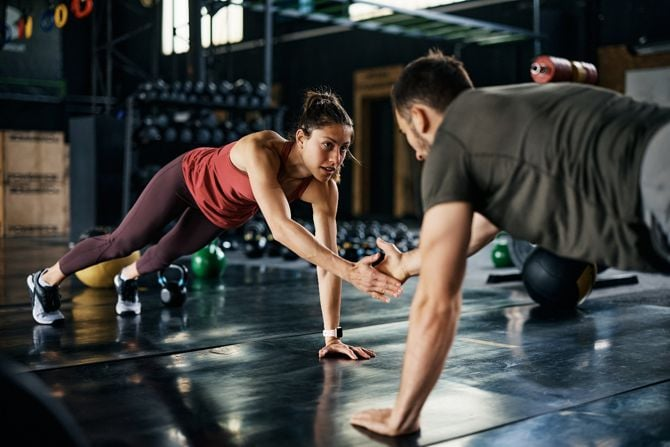
Full-body training refers to a workout approach that targets all major muscle groups within a single session, rather than splitting the body into separate days for chest, back, legs, and arms, this approach has gained strong support in exercise science…

Strength Training Benefits Beyond Muscle

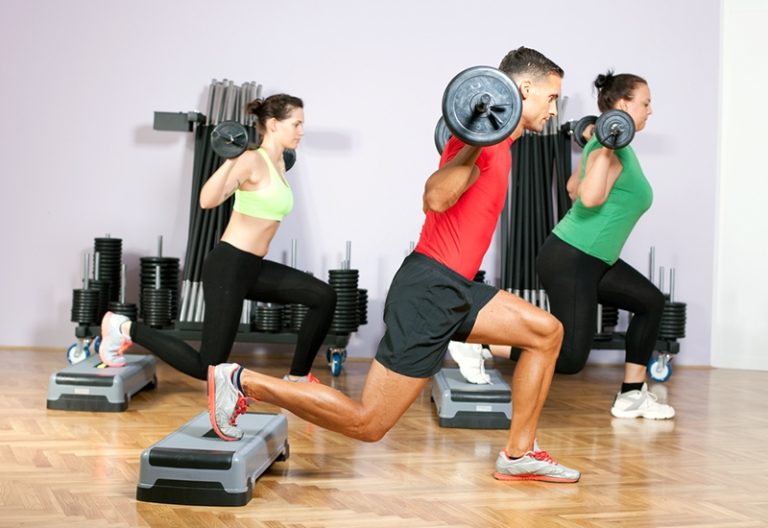
Strength training is often viewed narrowly as a method for building muscle mass, yet the physiological ripple effects extend across nearly every system in the human body, influencing cardiovascular health, bone integrity, brain function, hormonal regulation, sleep quality, and long…

The Science Behind Progressive Overload

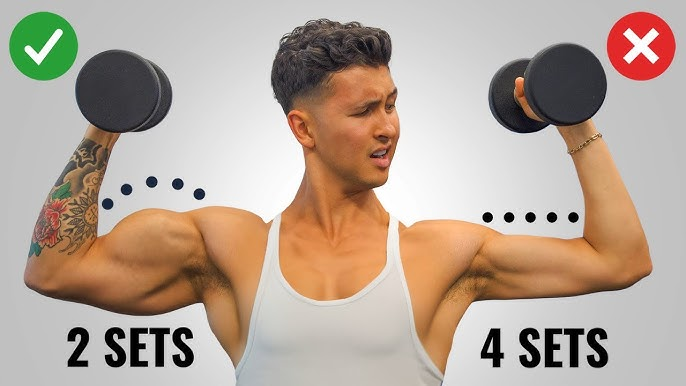
Progressive overload stands as the foundational principle governing all forms of resistance training adaptation, it describes the systematic increase of stress placed upon the musculoskeletal system over time, without this principle, muscle tissue and connective structures have no signal to…

Simple Changes That Improve Workout Performance

Workout performance depends on a combination of factors that extend beyond effort alone, including recovery, nutrition, technique, and consistency, and small adjustments in these areas often produce measurable improvements in strength, endurance, and overall training quality, research in exercise physiology…

The Best Exercises for Better Posture

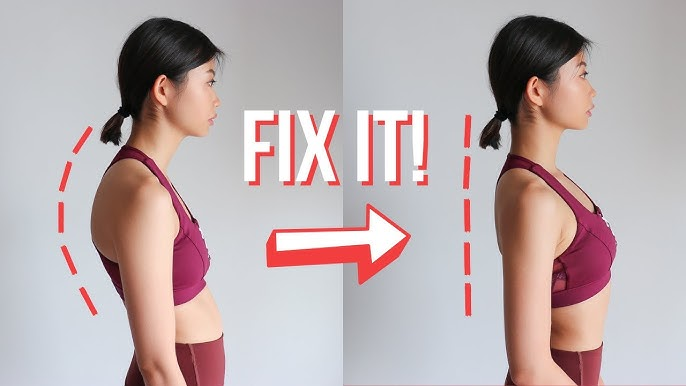
Posture reflects the alignment of the spine, shoulders, hips, and head, and it depends on the balance between opposing muscle groups, when certain muscles become weak or overly tight, the body compensates by shifting into rounded shoulders, forward head position,…

Walking vs Running: Which Is Better for You?

Walking and running are two of the most accessible forms of physical activity, requiring no equipment beyond proper footwear, no gym membership, and no prior training, and both have been studied extensively by exercise physiologists and cardiologists over the past…

How to Stay Motivated to Exercise Year Round

Maintaining consistent physical activity throughout every season presents a distinct set of physiological and psychological demands, requiring adjustments in mindset, planning, and environment, since motivation naturally fluctuates with daylight hours, temperature, and life circumstances, and understanding these fluctuations is the…

Cool-Down Exercises That Speed Up Recovery

The period after intense training determines how fast the body returns to a balanced state, how efficiently waste products clear from muscle tissue, and how prepared the nervous system becomes for the next session, a properly structured cool-down phase shortens…